
Discover Spain’s Most Stunning UNESCO World Heritage Sites
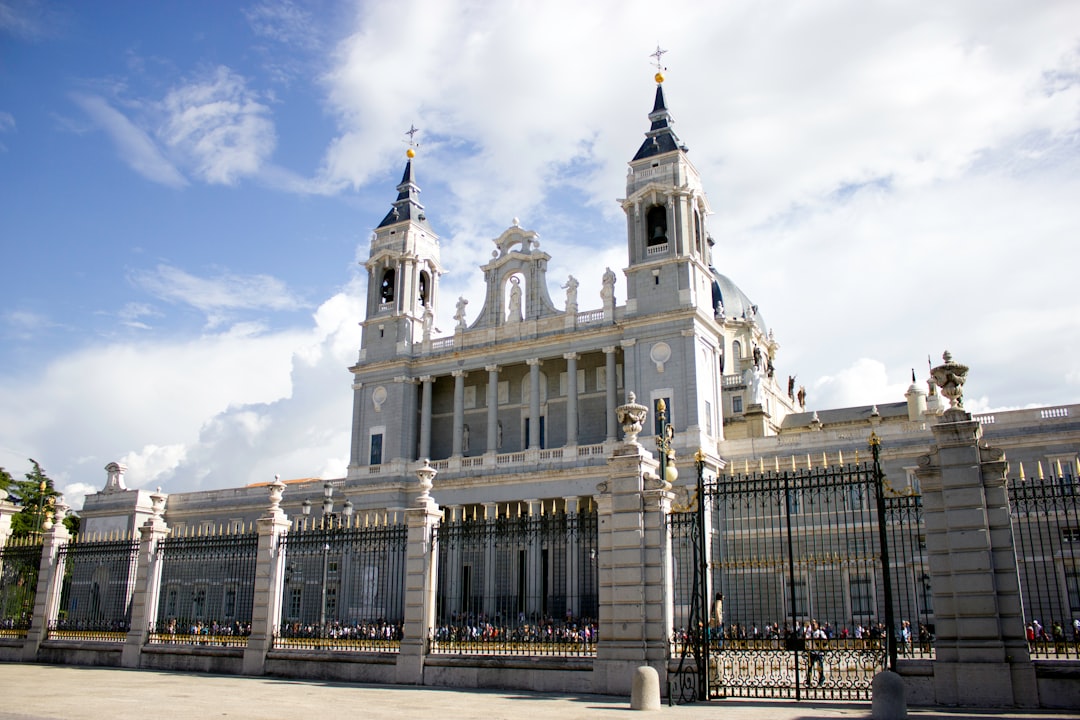
Introduction to Spain’s UNESCO World Heritage Sites
Spain is a country brimming with history, culture, and natural beauty, boasting an impressive number of UNESCO World Heritage Sites. From ancient Roman remnants to architectural wonders from the medieval and modern eras, Spain offers a rich tapestry of sites that promise to captivate any traveler. Whether you’re a passionate historian, an architecture enthusiast, or simply a culture seeker, exploring these sites will offer a deeper understanding of Spain’s heritage and allure.
Alhambra, Generalife and Albayzín, Granada
The Alhambra is one of Spain’s most exquisite treasures and a must-visit for anyone exploring the south. Nestled in the hills of Granada, this Moorish fortress and palace complex dazzles with its Islamic architecture and lush gardens. Stroll through the Generalife, the summer palace and gardens of the Nasrid rulers, and lose yourself in the serenity of its fountains and fragrant flowers.
The Albayzín, the old Moorish quarter, invites visitors to wander through its narrow cobblestone streets, offering breathtaking views of the Alhambra from the Mirador de San Nicolás. The harmonious blend of architectural styles here tells the story of Granada’s diverse cultural heritage.
Visitor Tips for Alhambra
- Book tickets in advance, as entry is limited and tickets sell out quickly.
- Consider joining a guided tour for a richer historical context.
- Visit early morning or late afternoon for fewer crowds and cooler temperatures.
Architectural Works of Antoni Gaudí, Barcelona
No visit to Spain is complete without experiencing the whimsical and audacious designs of Antoni Gaudí. His works, sprinkled across Barcelona, have earned UNESCO recognition for their originality and influence. The most iconic among them is the Sagrada Família, with its towering spires and intricate façades.
Other notable sites include Park Güell, a vibrant park adorned with colorful mosaics and organic forms, and Casa Batlló, renowned for its dragon-like roofline and mask-shaped balconies. Each structure is a testament to Gaudí’s revolutionary vision and a celebration of Modernisme.
Exploring Gaudí’s Legacy
- Purchase a combined ticket to save on entrance fees if you’re planning to visit multiple Gaudí sites.
- Try exploring these sites during off-peak hours to capture unobstructed photographs.
- Don’t miss the chance to enjoy a quiet moment at the top of the Passion Tower in Sagrada Família for panoramic views of Barcelona.
Historic City of Toledo
The Historic City of Toledo, often referred to as the “City of Three Cultures,” showcases a remarkable blend of Christian, Muslim, and Jewish influences. Capital of Spain during the Visigothic period and later the home of Spanish kings, Toledo offers a rich tableau of religious and civil architecture.
Highlights include the imposing Toledo Cathedral, a masterpiece of Gothic architecture; the Alcázar, a formidable fortress that now houses a military museum; and the Synagogue of Santa María la Blanca, which beautifully exemplifies the city’s history of convivencia, or coexistence.
Making the Most of Toledo
- Plan to spend at least a full day to explore its many historic and cultural sites.
- Wear comfortable shoes—Toledo is best discovered on foot due to its hilly terrain and cobblestone streets.
- Consider investing in a Toledo Card for discounted and direct access to multiple attractions.
Old Town of Segovia and its Aqueduct
The Old Town of Segovia and its well-preserved Roman Aqueduct are a remarkable display of ancient and medieval architecture. The aqueduct, built during the Roman period, is a striking sight as it majestically spans the city, with its 166 stone arches standing without the use of mortar.
Beyond the aqueduct, Segovia boasts a fairytale-like atmosphere with points of interest such as the ornate Segovia Cathedral and the stunning Alcázar of Segovia, which served as an inspiration for Walt Disney’s Cinderella Castle.
Touring Segovia
- The aqueduct can be admired from several viewing points across the city.
- Join a guided tour of the Alcázar for deeper insights into its fascinating history and architecture.
- Try local specialties such as cochinillo asado (roast suckling pig) at one of Segovia’s many traditional restaurants.
Palmeral of Elche
Located near the southeastern coast, the Palmeral of Elche is the largest palm grove in Europe. Covering over 200,000 trees, this natural oasis has roots dating back to the Phoenicians and Romans, and later expanded by the Moors who introduced advanced irrigation techniques.
Visitors can explore this verdant sanctuary on foot or by bike, and enjoy the adjoining Huerto del Cura, a beautiful garden showcasing a wide variety of exotic plants.
Visiting the Palmeral
- Combine your visit with a trip to the city’s other attractions like the Basilica of Santa Maria or the Altamira Palace.
- Opt for a guided tour to learn more about the grove’s history and its irrigation systems.
- Attend the annual Misteri d’Elx, a World Heritage tradition held in August.
Conclusion: Embrace Spain’s Heritage
Spain’s UNESCO World Heritage Sites offer an extraordinary journey through time and culture. From the medieval lanes of Toledo to the artistic wonders of Barcelona, each site tells a profound story of human achievement and cultural development. Make sure you savor local flavors, engage with the vibrant local customs, and immerse yourself in the breathtaking landscapes that surround these historic treasures.
Armed with this guide, you’re well-prepared to explore some of the most stunning sites in Spain. Let these landmarks be the backdrop to your Spanish adventure, enriching your travels with unforgettable experiences and cherished memories.