
8 Hidden Beaches in Spain for a Crowd-Free Summer
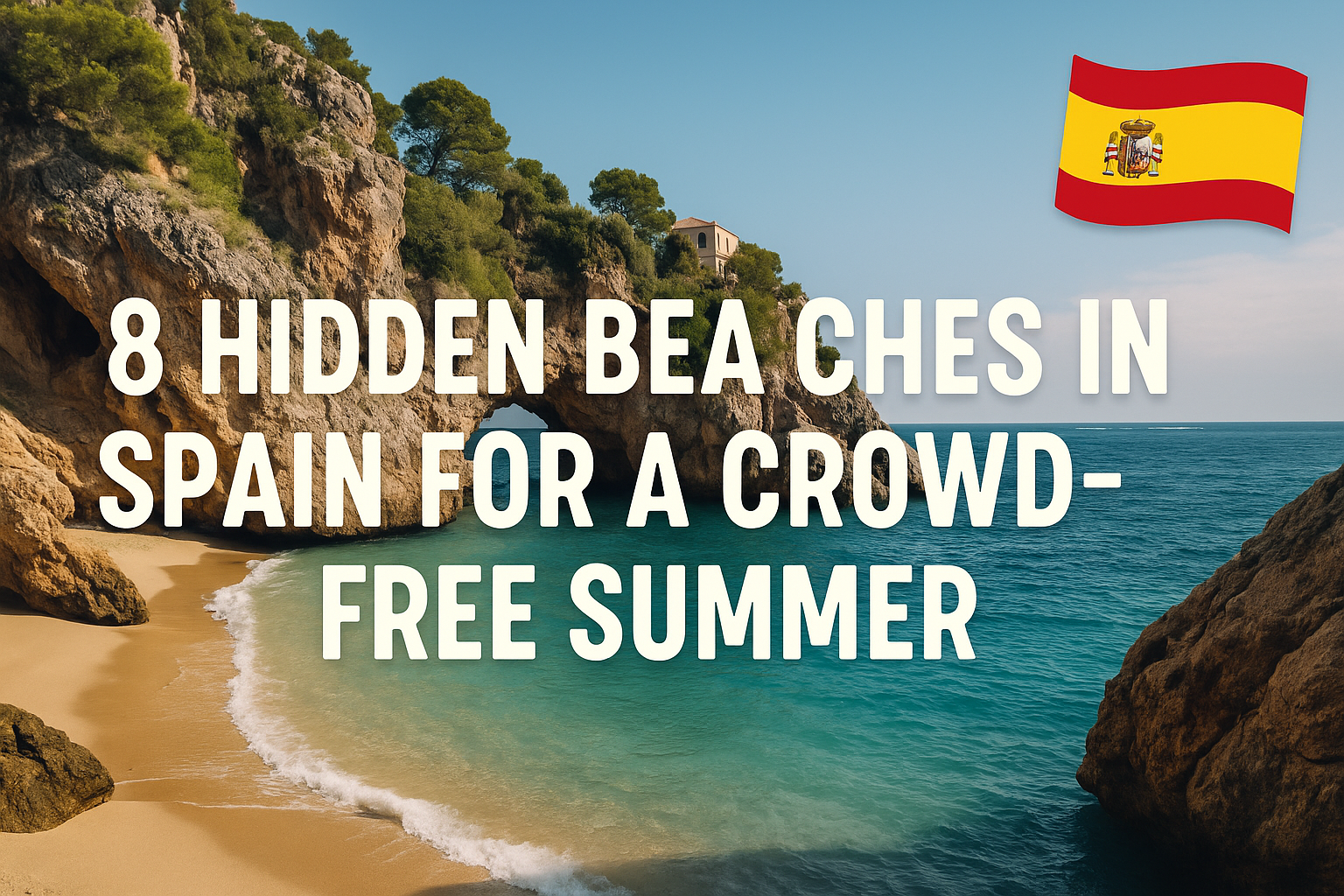
Spain is world-famous for its sun-soaked coastline and lively beach resorts, but did you know the country also hides countless secret coves, unspoiled bays, and wild stretches of sand where you can escape the summer crowds? If you’re craving peace, natural beauty, and a truly authentic seaside experience, it’s time to explore beyond the tourist hotspots and discover Spain’s best hidden beaches.
Whether you’re a solo traveler, a couple, or a family looking for serenity, these eight secret beaches in Spain promise crystal-clear water, dramatic landscapes, and pure relaxation—all without the crowds. Pack your sunscreen, grab your beach bag, and get ready to find your own slice of paradise!
1. Playa de Gulpiyuri (Asturias)
Why it’s special:
Often described as the world’s smallest inland beach, Playa de Gulpiyuri is a true natural wonder. Tucked away in the green hills of Asturias, this tiny beach is completely landlocked yet filled with seawater that filters through underground caves. The result? A surreal, tranquil swimming spot with soft golden sand, surrounded by lush meadows.
How to get there:
Near the village of Naves, 15 minutes from Llanes by car. Park nearby and walk about 10 minutes through fields.
What to expect:
No facilities—bring everything you need. The best time to visit is at high tide, when the water fills the sandy “pool.”
Tip:
Combine your visit with a trip to Playa de San Antolín, a larger, quiet beach just a few minutes away.
2. Cala Sa Forcanera (Costa Brava, Catalonia)
Why it’s special:
Hidden beneath lush gardens and steep cliffs just outside Blanes, Cala Sa Forcanera is a jewel of the Costa Brava. Turquoise waters, rocky outcrops, and a secluded vibe make this a favorite for snorkelers and romantics.
How to get there:
There’s no road access! The only way is by boat or kayak from Blanes. Alternatively, strong swimmers can reach it from nearby coves.
What to expect:
Fine sand, crystal-clear waters, and total seclusion—often, you’ll have the cove to yourself.
Tip:
Bring your own snorkel gear and a picnic; there are no services here.
3. Playa de los Muertos (Almería, Andalusia)
Why it’s special:
Despite its ominous name (“Beach of the Dead”), Playa de los Muertos is a breathtaking stretch of wild, unspoiled shoreline. Located in the Cabo de Gata Natural Park, this beach is famous for its turquoise water, dramatic cliffs, and tranquil atmosphere.
How to get there:
A 20-minute hike down a rocky path from the parking lot, 7 km from Carboneras.
What to expect:
No bars, umbrellas, or water sports—just nature at its finest. The beach is pebbly at the waterline but sandy further back.
Tip:
Bring plenty of water, sun protection, and sturdy shoes for the hike.
4. Cala de Enmedio (Almería, Andalusia)
Why it’s special:
This dreamy cove is one of the least accessible—and most beautiful—in Almería’s Cabo de Gata Natural Park. With white cliffs shaped by wind and sea, clear blue water, and a natural, untouched setting, Cala de Enmedio is a true hidden gem.
How to get there:
From Agua Amarga village, it’s a 30–40 minute walk along a rugged coastal trail. No road access.
What to expect:
Fine sand, gentle waves, and a sense of total isolation. There are no facilities, so come prepared.
Tip:
Ideal for those seeking peace and natural beauty. Great spot for snorkeling and photography.
5. Playa de Rodas (Islas Cíes, Galicia)
Why it’s special:
Often voted one of the world’s best beaches, Playa de Rodas on the Cíes Islands is still relatively uncrowded thanks to visitor limits and its national park status. Imagine powdery white sand, turquoise waters, and a wild, untouched backdrop of pine forests and sand dunes.
How to get there:
Ferries run from Vigo, Cangas, or Baiona (advance booking required, especially in summer). Only a set number of visitors are allowed daily.
What to expect:
Basic facilities, a campsite, and a couple of simple restaurants. The main attraction is the pristine beauty—no big resorts here.
Tip:
Book your ferry early and consider staying overnight at the island campsite for a magical, crowd-free sunrise.
6. Playa de Torimbia (Asturias)
Why it’s special:
This spectacular, crescent-shaped beach is a favorite among naturists and anyone seeking peace and dramatic scenery. Surrounded by green hills and accessed only by foot, Torimbia boasts fine sand and wild Atlantic waves.
How to get there:
From the village of Niembro, follow signs and walk 15–20 minutes down a scenic path.
What to expect:
No built-up facilities, just a small parking area and breathtaking views. Clothing optional.
Tip:
Bring your own food and drinks, and be prepared for a brisk Atlantic swim!
7. Cala del Pilar (Menorca, Balearic Islands)
Why it’s special:
Menorca is famed for its turquoise coves, but Cala del Pilar remains one of the least visited due to its isolated location. Red-gold sand, clear water, and pine-covered cliffs await the adventurous.
How to get there:
A 30–40 minute walk from the parking lot, along a well-marked but rugged trail.
What to expect:
No services or crowds. The effort to get here is rewarded by pristine nature and a peaceful vibe.
Tip:
Visit in the morning for the best light and fewest people. Take snorkeling gear—the underwater scenery is just as stunning!
8. Playa de Valdevaqueros (Tarifa, Andalusia)
Why it’s special:
While Tarifa is famous for kitesurfing, most visitors stick to the main beach. Valdevaqueros, a few kilometers west, offers a wide, wild stretch of sand, towering dunes, and sweeping views of Africa on clear days.
How to get there:
5 km from Tarifa—drive or take a taxi. Park by the beach or nearby chiringuito (beach bar).
What to expect:
Some low-key beach bars, windsurfing rentals, and plenty of space to spread out. Popular with surfers but rarely crowded, thanks to its size.
Tip:
Winds can be strong—perfect for wind sports, but bring something to anchor your towel!
Tips for Finding Your Own Secret Beach in Spain
- Go Early or Late: Even popular spots are crowd-free at sunrise or sunset.
- Visit Off-Season: September and June are perfect for warm weather and fewer people.
- Be Adventurous: The best beaches often require a walk, hike, or boat ride.
- Respect Nature: These spots are pristine—pack out all your trash and respect local rules.
- Ask Locals: Sometimes the best recommendations come from local residents or your hotel staff.
What to Bring for a Hidden Beach Adventure
- Plenty of water and snacks (services are rare)
- Sun protection: hat, high-SPF sunscreen, umbrella
- Sturdy shoes for hikes
- Snorkeling gear (many coves have great marine life)
- Camera or phone for those Instagram-worthy moments
- Lightweight towel or blanket
Final Thoughts
Spain’s hidden beaches are the perfect escape from summer crowds—a chance to experience wild beauty, tranquility, and the simple joy of sun and sea. Whether you’re wandering the lush north, exploring volcanic coves in the south, or discovering island paradises, these secret spots are waiting for you.
Ready to find your perfect beach hideaway?
Discover the best hotel deals near Spain’s undiscovered coastlines at Spain Hotel Offers and start planning your crowd-free summer adventure!
Do you have a favorite hidden beach in Spain? Share your secret in the comments below!