
How to Get the Best Food Experiences in Spain (Without Breaking the Bank)
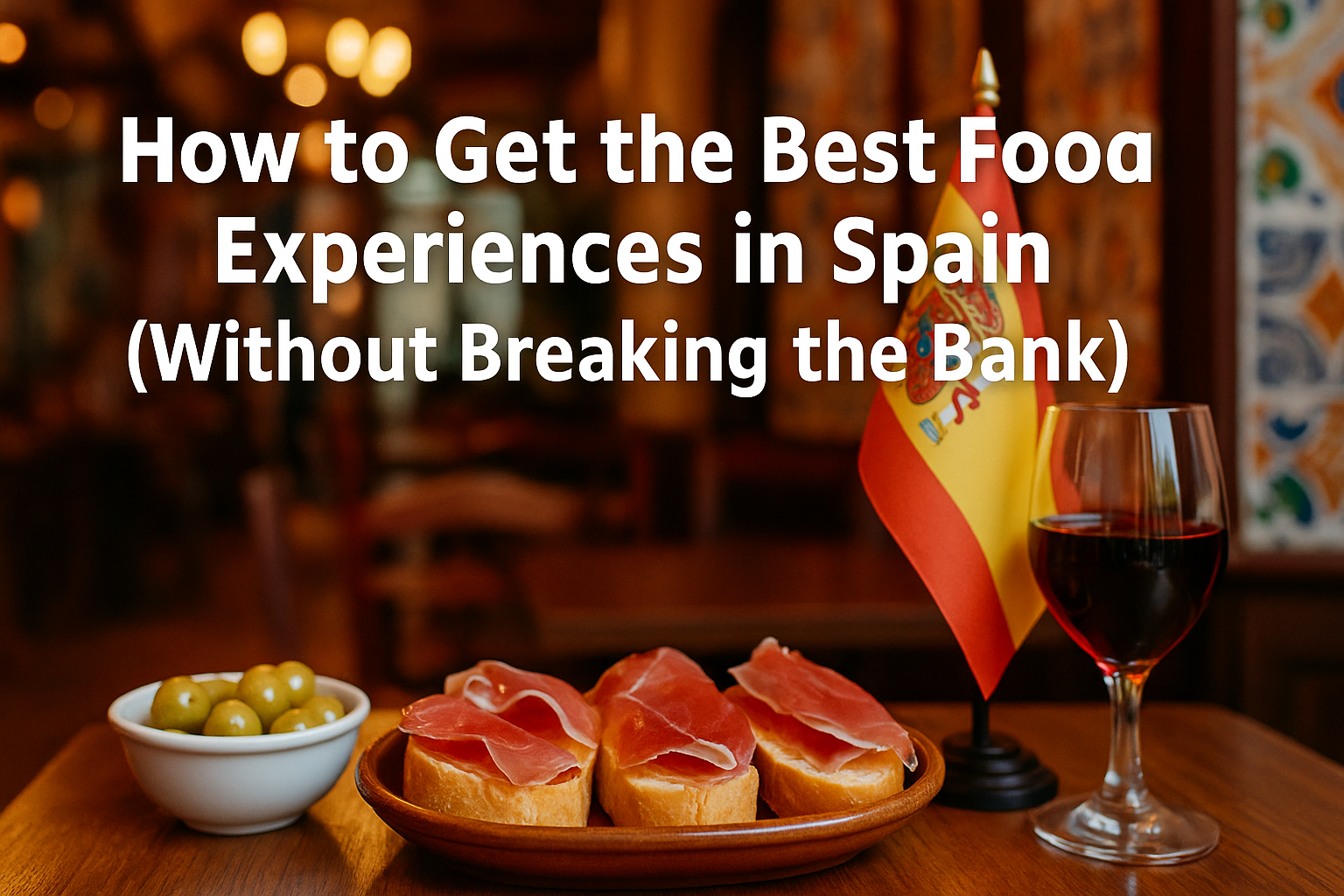
Spain is a paradise for food lovers. From sizzling tapas bars to bustling food markets, family-run taverns, and Michelin-starred restaurants, Spanish cuisine is as diverse as its regions. But eating well in Spain doesn’t have to be expensive—with a little local know-how, you can enjoy the country’s best food experiences on any budget.
Whether you’re craving traditional paella in Valencia, pintxos in San Sebastián, or churros with chocolate in Madrid, this guide will help you discover how to eat like a king in Spain—without overspending.
1. Embrace the Menú del Día
One of the best-kept secrets for eating well and cheaply in Spain is the menú del día (“menu of the day”). Introduced during the Franco era, this set lunch menu is offered by thousands of restaurants across the country, especially on weekdays.
What is it?
- A multi-course lunch (typically starter, main, dessert, bread, and a drink) at a fixed price.
- Prices range from €10–€18, depending on location and quality.
How to find it:
- Look for chalkboard signs outside restaurants with “Menú del Día” or ask inside.
- Many locals choose their restaurant by checking the daily menu on the street.
Why try it?
- It’s affordable, filling, and often features regional specialties.
- You’ll eat where locals eat, not just other tourists.
2. Explore Food Markets Like a Local
Spanish cities and towns are full of vibrant markets (mercados) where you can sample fresh local produce, cheese, ham, olives, and prepared foods.
Top markets to visit:
- Mercado de San Miguel (Madrid): A gourmet hub near Plaza Mayor, great for tapas and wine tastings.
- La Boqueria (Barcelona): Famous for colorful fruit stands and busy tapas bars.
- Mercado Central (Valencia): Spain’s largest fresh food market, perfect for paella ingredients and horchata.
- Mercado de Triana (Seville): Popular with locals for Andalusian delicacies.
How to save:
- Skip the pricier stalls up front—walk deeper into the market for better deals.
- Buy snacks or a picnic instead of a sit-down meal.
- Try market bars for tapas and drinks at local prices.
3. Tapas: Eat Small, Pay Less, Taste More
Tapas are more than just snacks—they’re a way of life in Spain. Instead of ordering a big meal, many Spaniards prefer to “tapear”—sharing several small dishes at different bars.
How to do it affordably:
- In cities like Granada and Almería, many bars offer a free tapa with every drink (yes, really!).
- In other places, order a few tapas to share—this way, you try more flavors and spend less.
- Follow the locals: if a bar is busy with Spanish speakers, it’s likely a good bet.
Must-try tapas:
- Patatas bravas (spicy potatoes)
- Tortilla española (Spanish omelette)
- Jamón ibérico (Iberian ham)
- Croquetas (croquettes)
- Pimientos de padrón (fried green peppers)
4. Pintxos: The Basque Country’s Food Gem
If you’re visiting the Basque Country (San Sebastián, Bilbao, Vitoria), don’t miss pintxos—small bites served on bread, often displayed on the bar.
How to do pintxos on a budget:
- Grab a plate, choose what you like, and keep the toothpicks—your bill is based on the number and type of pintxos you eat.
- Avoid touristy old town bars with inflated prices; instead, head to local favorites just outside the main plazas.
- Look for pintxo-pote evenings (often Thursdays), when a pintxo and drink are offered at a special price.
5. Eat at Local Taverns and “Bares de Barrio”
The heart of Spanish food culture is in its neighborhood bars (“bares de barrio”) and old-school taverns. Here, you’ll find the best-value meals and a taste of real local life.
Tips:
- Venture a few blocks away from tourist hotspots for cheaper, more authentic fare.
- Try the house special or daily stew (“guiso del día”).
- Don’t be shy about eating at the bar—service is quick and prices can be lower.
6. Try Traditional Bakeries and “Churrerías”
Satisfy your sweet tooth without blowing your budget at Spain’s many bakeries and churrerías (places specializing in churros).
What to look for:
- Churros con chocolate: A classic breakfast or snack, especially in Madrid and Andalusia.
- Ensaimadas: Sweet, spiral pastries from Mallorca.
- Tarta de Santiago: Almond cake from Galicia.
- Freshly baked bread and pastries at “panaderías” or “pastelerías.”
Tip:
Morning is the best time for the freshest treats.
7. Shop at Supermarkets and Local Grocery Stores
If you’re traveling on a tight budget or want a picnic, visit Spain’s excellent supermarkets:
- Mercadona, Carrefour, Lidl, Alcampo: National chains with everything from fresh fruit to prepared foods and wine.
- Fresh bread, cheese, olives, and ham make a perfect, affordable picnic.
- Many supermarkets have deli counters with “comida preparada” (ready-to-eat meals).
Picnic spots:
- City parks (Retiro in Madrid, Ciutadella in Barcelona)
- Beaches
- Public plazas
8. Look for “Menu del Peregrino” or “Pilgrim Menus”
If you’re walking the Camino de Santiago or visiting pilgrimage sites, you’ll see special fixed-price pilgrim menus—similar to the menú del día, but often even cheaper.
Tip:
These are hearty, filling meals meant for hungry travelers—take advantage, even if you’re not a pilgrim!
9. Eat Like a Local: Follow Spanish Meal Times
In Spain, lunch is the main meal of the day (2:00–4:00 pm), and dinner is usually late (9:00–11:00 pm). To get the best deals:
- Have your main meal at lunchtime, when set menus are offered.
- Go for tapas or lighter dishes at night.
- Many bars offer “merienda” (afternoon snack) specials.
Warning:
Restaurants in tourist areas may charge more for dinner, especially early in the evening.
10. Drink Smart: Save on Beverages
- House wine (“vino de la casa”) or “caña” (small draft beer) is often very affordable.
- Tap water (“agua del grifo”) is free and safe—just ask for it.
- Avoid ordering sodas, which can be surprisingly expensive compared to wine or beer.
Regional tip:
In southern Spain, try “tinto de verano” (red wine with lemon soda) for a refreshing and cheap drink.
11. Use Food Apps and Local Recommendations
- Google Maps, TripAdvisor, and The Fork (El Tenedor): Find well-reviewed, affordable local spots.
- Ask locals: Hotel staff, shopkeepers, or even your taxi driver will know the best places to eat on a budget.
- Follow food blogs or Instagram for up-to-date recommendations.
12. Avoid Tourist Traps and Pricey Plazas
- Skip restaurants on main squares (Plaza Mayor, La Rambla, etc.), which often have high prices and low quality.
- Don’t get lured in by hosts waving menus in English or restaurants with photos of every dish.
- Compare menus posted outside and check for daily specials or local dishes.
13. Enjoy Free Tapas (Yes, Really!)
Some regions in Spain (Granada, Almería, León) are famous for offering a free tapa with every drink. It’s a great way to eat well for less—just order a drink at a bar and see what arrives!
14. Try Street Food and Food Festivals
- Local street markets and food festivals (ferias gastronómicas) are perfect for tasting regional specialties without a hefty bill.
- Look for seasonal events like “feria de la tapa” or seafood festivals along the coast.
Final Tips for Eating Well on a Budget in Spain
- Be adventurous: Don’t stick to just paella and sangria—try regional specialties wherever you go.
- Share dishes: Spanish portions are generous, and sharing is the norm.
- Go where the locals go: The busiest bars and markets usually have the best food at the best prices.
Ready to Savor Spain?
Spanish food culture is one of the joys of travel—and it’s open to every budget. By eating smart, embracing local traditions, and avoiding the tourist traps, you can experience the best of Spanish cuisine without breaking the bank.
Planning your trip?
Find the best hotel deals near food markets, tapas districts, and authentic bars at Spain Hotel Offers and turn your next Spanish holiday into an unforgettable food adventure!
What’s your favorite budget food find in Spain? Share your tips or experiences in the comments below!