
Madrid vs. Barcelona: Which Spanish City is Right for You?
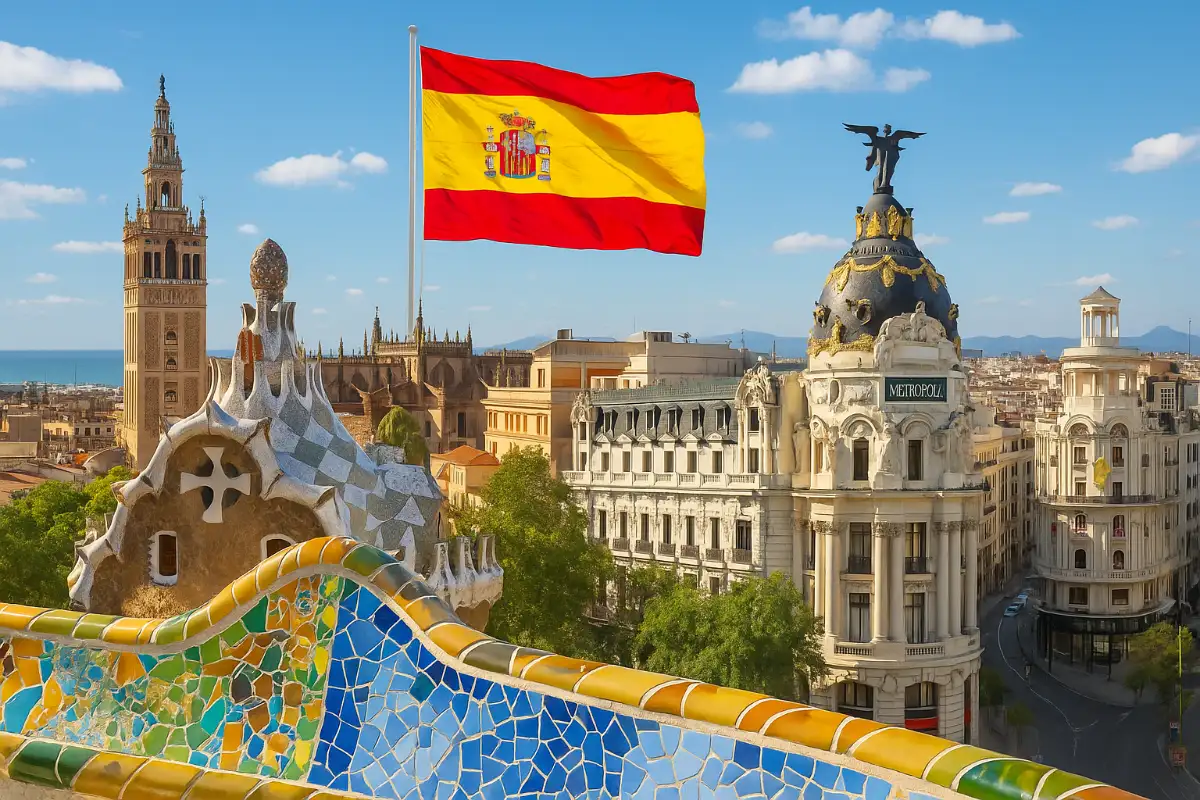
When planning a trip to Spain, most travelers find themselves facing one of the country’s most delightful dilemmas: Madrid or Barcelona? Both cities are world-famous, but each has a unique vibe, culture, and set of experiences to offer. Whether you’re dreaming of sun-drenched boulevards, historic architecture, lively nightlife, or a digital nomad haven, choosing the right city for your needs is essential.
In this comprehensive guide, we compare Madrid vs. Barcelona across culture, cost, lifestyle, food, accommodation, work-friendly spots, and more. By the end, you’ll know exactly which Spanish city is perfect for your next adventure.
1. Introduction: The Eternal Spanish Rivalry
Madrid and Barcelona are not just Spain’s two biggest cities—they represent two distinct identities. Madrid, the capital, sits at the heart of Spain, radiating Castilian culture, stately museums, and regal boulevards. Barcelona, the capital of Catalonia, dazzles with its beaches, Modernist architecture, and a cosmopolitan, slightly rebellious spirit.
Both cities offer unforgettable experiences, but your choice depends on your personality, interests, and travel goals. Let’s break it down.
2. Culture & Atmosphere
Madrid: The Elegant Heart of Spain
Madrid is known for its traditional Spanish culture blended with modern sophistication. Here, you’ll find grand plazas, royal palaces, world-class art museums, and late-night energy.
- Art lovers will be in heaven with the “Golden Triangle of Art”: the Prado, Reina Sofía, and Thyssen-Bornemisza museums.
- Night owls will love the city’s legendary nightlife, where dinner starts late and bars are open until sunrise.
- Live like a local in vibrant neighborhoods like Malasaña (hipster/alternative), Chueca (LGBTQ+ friendly), and Salamanca (upscale shopping).
Barcelona: The Creative Mediterranean Soul
Barcelona is more international, quirky, and relaxed. The city blends Catalan culture with a cosmopolitan vibe, colorful architecture, and endless beaches.
- Gaudí’s masterpieces like Sagrada Familia and Park Güell make the city feel like an open-air museum.
- Beaches and outdoor life are central to the lifestyle. Stroll along Barceloneta or cycle the city’s many bike lanes.
- Bohemian spirit thrives in neighborhoods like El Born and Gràcia, known for indie shops and lively plazas.
3. Cost of Living and Travel
Madrid: Surprisingly Affordable for a Capital
- Accommodation: Madrid tends to offer slightly better value, especially for long-term stays. You’ll find a range of hotels, hostels, and apartments in every neighborhood.
- Food & Drink: Tapas bars abound, and a “menú del día” (lunch special) is usually cheaper than in Barcelona.
- Transport: Excellent metro and bus system; taxis and ride-sharing are widely available.
Barcelona: The Tourist Magnet
- Accommodation: Generally more expensive, especially near the beach or in the Gothic Quarter. Book in advance for the best deals.
- Food & Drink: Prices are higher in touristy zones, but plenty of affordable local spots exist in less central areas.
- Transport: Extensive metro, trams, and bike rentals; the city is walkable and easy to explore by bike.
4. Food Scene
Madrid: Traditional Flavors with a Twist
Madrid is the place to savor classic Spanish cuisine—think churros con chocolate, cocido madrileño, and endless tapas. The city’s Mercado de San Miguel and El Rastro flea market are must-visits for foodies.
- Try this: Calamari sandwich (bocadillo de calamares) in Plaza Mayor.
- Tapas culture: Order a drink and you’ll often get a free tapa.
Barcelona: Mediterranean Innovation
Barcelona’s food scene is Mediterranean, fresh, and creative. Enjoy seafood paella, Catalan specialties like “pa amb tomàquet” (bread with tomato), and some of Spain’s best modern cuisine.
- Try this: Pintxos bars in El Born, and seafood along the beach.
- Trendy cafés: Perfect for brunch and digital nomads.
5. Things to Do & See
Madrid Must-Sees:
- Royal Palace and Almudena Cathedral
- El Retiro Park: Central oasis for jogging, boating, or relaxing
- Museo del Prado: Spain’s most famous art collection
- Puerta del Sol & Gran Vía: The city’s buzzing center
Barcelona Must-Sees:
- Sagrada Familia: Iconic church by Gaudí
- La Rambla: Barcelona’s lively main avenue
- Park Güell: Mosaic wonderland on a hilltop
- Gothic Quarter: Ancient alleys and trendy bars
- Barceloneta Beach: Sunbathe or swim after work
6. Accommodation for Travelers and Remote Workers
Madrid: Classic, Modern, and Business-Friendly
- Room007 Select Sol: Modern, centrally located, with a coworking area.
- Generator Madrid: Trendy hostel/hotel hybrid with great Wi-Fi and social spaces.
- Airbnb options: Often larger apartments at lower cost than Barcelona.
Barcelona: Creative and Beach-Ready
- TOC Hostel & Suites: Cool coworking lounge, excellent Wi-Fi, social events.
- Yurbban Trafalgar Hotel: Rooftop pool, great location, work-friendly spaces.
- Coliving spaces: Popular in Barcelona, especially for digital nomads.
7. Work-Friendly Spots: Digital Nomad Life
Both cities are popular with digital nomads, offering fast internet, coworking spaces, and laptop-friendly cafés.
Madrid Coworking & Cafés:
- Impact Hub: Huge coworking space in the city center.
- Espíritu23: Cozy, creative coworking in Malasaña.
- Federal Café: Iconic café with strong Wi-Fi and a chill vibe.
Barcelona Coworking & Cafés:
- Betahaus: International coworking hub with community events.
- Aticco: Stylish spaces with stunning views and networking events.
- Café Cometa: Boho café in Sant Antoni, popular with freelancers.
Tip: Barcelona is slightly ahead for beachside coworking or cafés with ocean views.
8. Local Life and Language
Madrid:
- Language: Spanish is everywhere; English is common in tourist spots, but less so in local neighborhoods.
- Lifestyle: Fast-paced, traditional, late-night energy.
- Weather: Hot summers, cool winters, dry climate.
Barcelona:
- Language: Catalan and Spanish are official; English is widely spoken in tourist areas.
- Lifestyle: Relaxed, creative, beach-centric.
- Weather: Mediterranean—mild winters, hot summers, humidity from the sea.
9. Day Trips and Surroundings
From Madrid:
- Toledo: Medieval city just 30 minutes by train.
- Segovia: Famous for its Roman aqueduct and fairytale castle.
- El Escorial: Majestic monastery and palace complex.
From Barcelona:
- Montserrat: Stunning mountain monastery, hiking and panoramic views.
- Sitges: Seaside town with vibrant nightlife and sandy beaches.
- Costa Brava: World-class beaches and charming fishing villages.
10. Which City Is Right for You?
Choose Madrid if you:
- Love art, museums, and history
- Enjoy late-night dining, bars, and classic Spanish culture
- Want to experience Spain’s traditional heart
- Prefer slightly cheaper accommodation and living costs
Choose Barcelona if you:
- Crave beaches and outdoor life
- Are drawn to creative architecture and a cosmopolitan vibe
- Want a more international, bohemian atmosphere
- Like mixing work and leisure—morning at a coworking café, afternoon at the beach
11. FAQ: Madrid vs. Barcelona
Q: Which city is better for digital nomads?
A: Both have excellent infrastructure, but Barcelona is more popular for its beach lifestyle and coworking scene.
Q: Where is it easier to get by in English?
A: Barcelona, due to its international community and tourist industry.
Q: Which city is safer?
A: Both are generally safe. Watch for pickpockets, especially in touristy areas.
Q: Where is public transport better?
A: Both cities have efficient metro and bus networks, but Madrid’s is larger and cheaper.
12. Conclusion: Madrid or Barcelona—You Can’t Go Wrong
Whether you’re planning a vacation, a workation, or a long-term stay, both Madrid and Barcelona promise an unforgettable Spanish adventure. Madrid wins for culture, tradition, and value; Barcelona stands out for beaches, creativity, and international flair.
Still can’t decide? Try both! High-speed trains connect the cities in just three hours—why not experience the best of both worlds?