
Spain’s Ancient Roman Ruins That Rival Italy’s
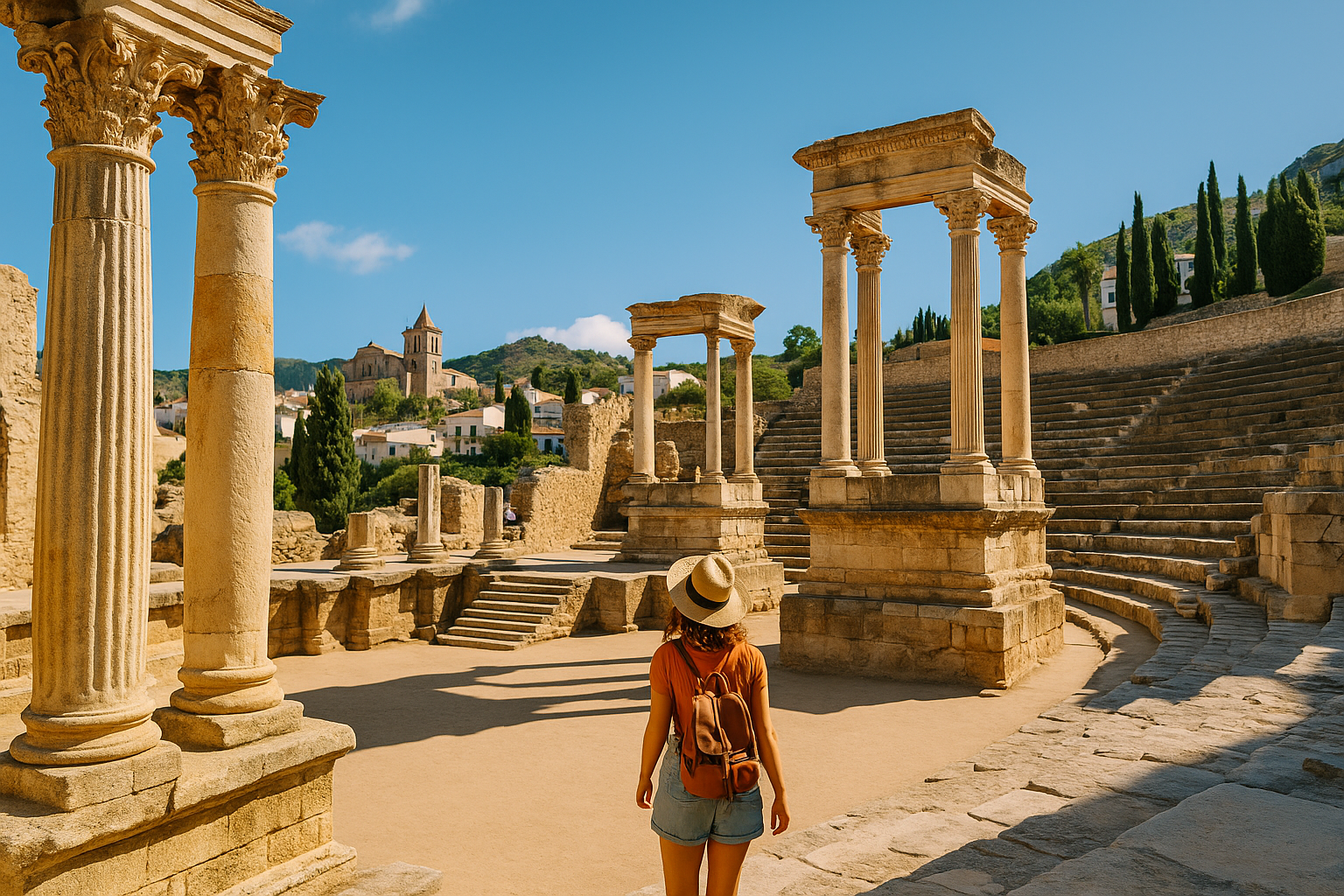
Discovering Spain’s Ancient Roman Ruins That Rival Italy’s
When most people think of ancient Roman ruins, Italy usually comes to mind. However, Spain is home to a wealth of Roman architectural wonders that offer a tangible connection to the past and an experience that can rival those found in Rome or Pompeii. In this article, we’ll guide you through some of the most striking Roman sites in Spain: Tarragona, Mérida, Lugo, and Segóbriga. Each location provides a unique glimpse into Spain’s rich Roman heritage, perfect for those looking to explore history off the beaten path.
Tarragona: A Roman Empire in Miniature
Situated on the northeastern coast of Spain, Tarragona is a city with a profound Roman legacy. Known as Tarraco in Roman times, the city was one of the empire’s prominent administrative centers.
Roman Amphitheatre
The Tarragona Amphitheatre is a must-visit. This remarkable structure was used for gladiatorial contests and public spectacles and offers stunning views of the nearby Mediterranean Sea.
- Location: Near the city’s historic center
- Highlights: A panoramic view of the sea, occasional festivals and historical reenactments
Roman Circus
The Roman Circus in Tarragona is another significant archaeological site. It was used for chariot races and can comfortably rival the Circus Maximus of Rome in its heyday.
- Features: Well-preserved remains with informational guides and occasional virtual reality tours
Passeig Arqueològic
This archaeological promenade offers a walk along the ancient walls that protected the city. As you explore, you’ll find remnants of Roman towers and gates.
Did you know? Tarraco’s extensive archaeological site is recognized as a UNESCO World Heritage site.
Mérida: The Roman Capital of the Iberian Peninsula
Mérida, known as Emerita Augusta in ancient times, boasts some of the most extensive and well-preserved Roman ruins in Spain.
Roman Theatre
The Roman Theatre of Mérida is one of Spain’s most renowned historical sites. It still hosts performances today, transporting spectators back in time.
- Capacity: Originally hosted up to 6,000 spectators
- Events: Mérida Classical Theatre Festival
Amphitheatre of Mérida
Next to the theatre is the Mérida Amphitheatre, where gladiatorial battles were a common form of entertainment.
- Unique Aspect: Three-tiered structure with a well-preserved arena
Other Notable Sites
Be sure to also visit:
- Temple of Diana: An iconic temple structure
- Roman Bridge: Spanning the Guadiana River and a true feat of Roman engineering
The entire archaeological ensemble of Mérida is inscribed as a UNESCO World Heritage site, ensuring its preservation for future generations.
Lugo: A Walk Around Roman Walls
Lugo is a city in Galicia that is famous for its Roman Walls, encircling the city’s Old Town completely.
Features of the Walls
- Length: Over 2,000 meters
- Towers: Features 71 circular towers still standing
- Walkable Route: The walls offer a full circuit around the city center that visitors can walk
The walls are a UNESCO World Heritage site, highlighting their historical and architectural significance.
Interesting Fact: Lugo is the only city in the world to be surrounded by completely intact Roman walls.
Segóbriga: The Roman Ghost Town
Located in central Spain, Segóbriga might not be as widely known, but it offers a fascinating look into Roman life away from the bustling cities.
Segóbriga Archaeological Park
The Archaeological Park includes a variety of structures, such as:
- Theatre: Exceptionally preserved and notable for its acoustics
- Amphitheatre: Once held thousands of spectators
- Basilica and Forum: Offering insights into Roman public and religious life
Segóbriga offers a unique, serene experience away from more crowded sites, perfect for those wishing to explore at a leisurely pace.
Making the Most of Your Visit
Exploring these Roman ruins in Spain provides a chance to journey through history without the throngs of tourists found in more famous locations. Here are a few tips to help you make the most of your visit:
- Research Ahead: Know the opening times and plan your trip during the off-peak season to avoid crowds.
- Guided Tours: Consider hiring a local guide to gain deeper insights into the history and significance of these sites.
- Comfortable Footwear: These locations often involve a lot of walking and uneven terrain.
- Time of Day: Evening visits can offer unique views as the ruins are often beautifully illuminated.
Spain’s Roman ruins are a testament to the country’s rich history and the enduring legacy of the Roman Empire. From the coastal city of Tarragona to the tranquil landscapes of Segóbriga, these sites offer unparalleled opportunities to step back in time and witness the grandeur of ancient Rome right in the heart of Spain.