
6 Most Colorful Festivals in Spain and Where to Experience Them
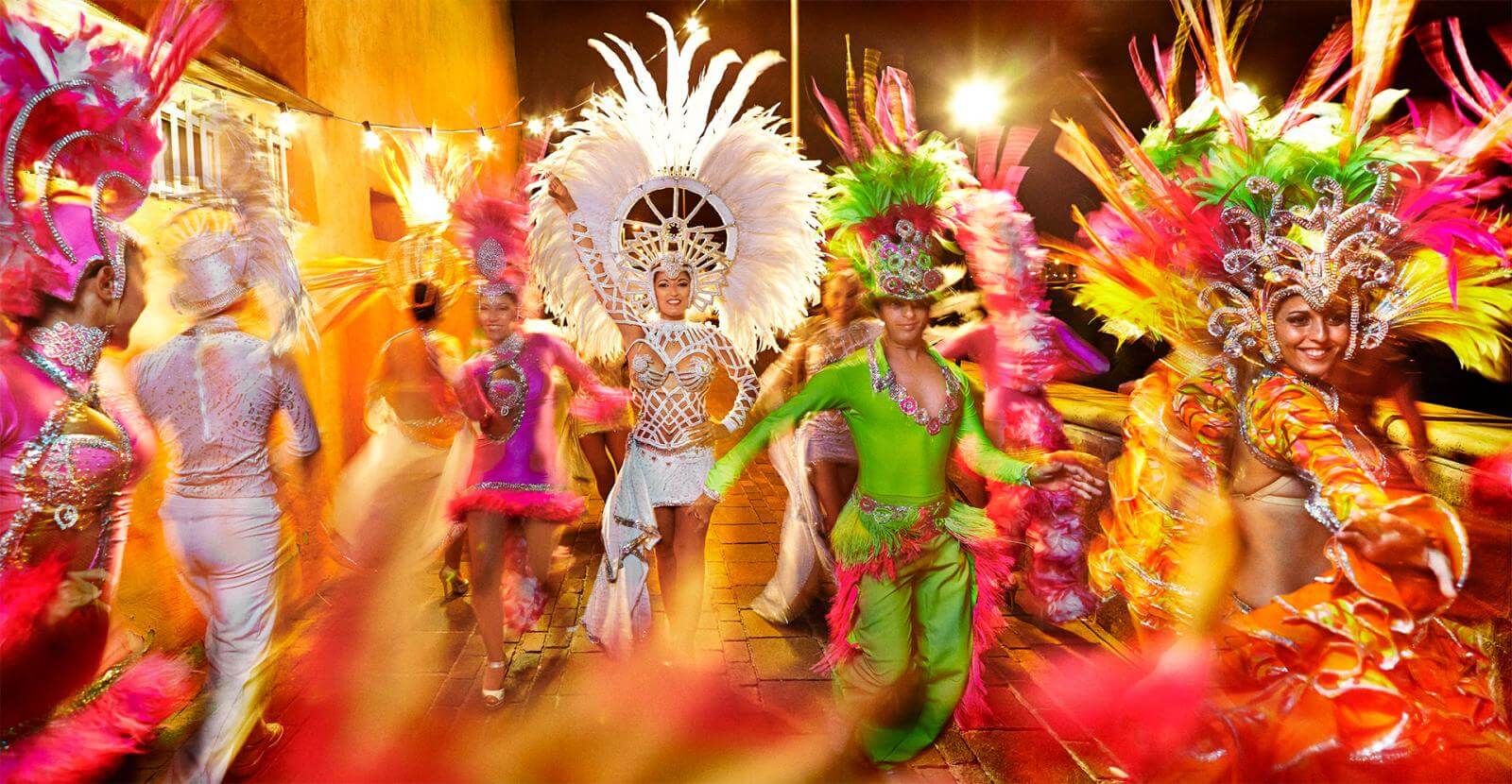
Spain is a country that loves to celebrate—and nowhere is this more evident than in its colorful, lively festivals. Across every region, the calendar is packed with events that transform towns and cities into vibrant spectacles of music, dance, fireworks, and, of course, color. Whether you want to throw tomatoes, dance under rainbow powder clouds, or witness centuries-old traditions, these are the six most colorful festivals in Spain—and the best places to experience them.
From world-famous fiestas to hidden gems, prepare to immerse yourself in Spain’s dazzling festival culture!
1. La Tomatina (Buñol, Valencia)
The World’s Biggest Tomato Fight
What is it?
La Tomatina is perhaps the world’s most famous food fight, where thousands gather in the small town of Buñol to pelt each other with over 100 tons of ripe tomatoes. It’s an explosion of red, pure fun, and chaos!
Why it’s colorful:
By the end of the hour-long battle, the entire town is covered in a river of bright red tomato pulp, and everyone is soaked and smiling.
Where to experience it:
Buñol, a town 40km west of Valencia. The main square and surrounding streets are the stage.
When:
Held on the last Wednesday of August every year (in 2025: August 27th).
Tips for visitors:
- Wear old clothes and goggles—the tomato stains everything!
- Buy your ticket in advance; entry is now controlled.
- Stay in Valencia and take the early train or a shuttle bus to Buñol.
Nearby:
Combine your trip with a visit to Valencia’s City of Arts and Sciences or its beautiful beaches.
2. Feria de Abril (Seville, Andalusia)
Flamenco, Fairgrounds, and Flower Power
What is it?
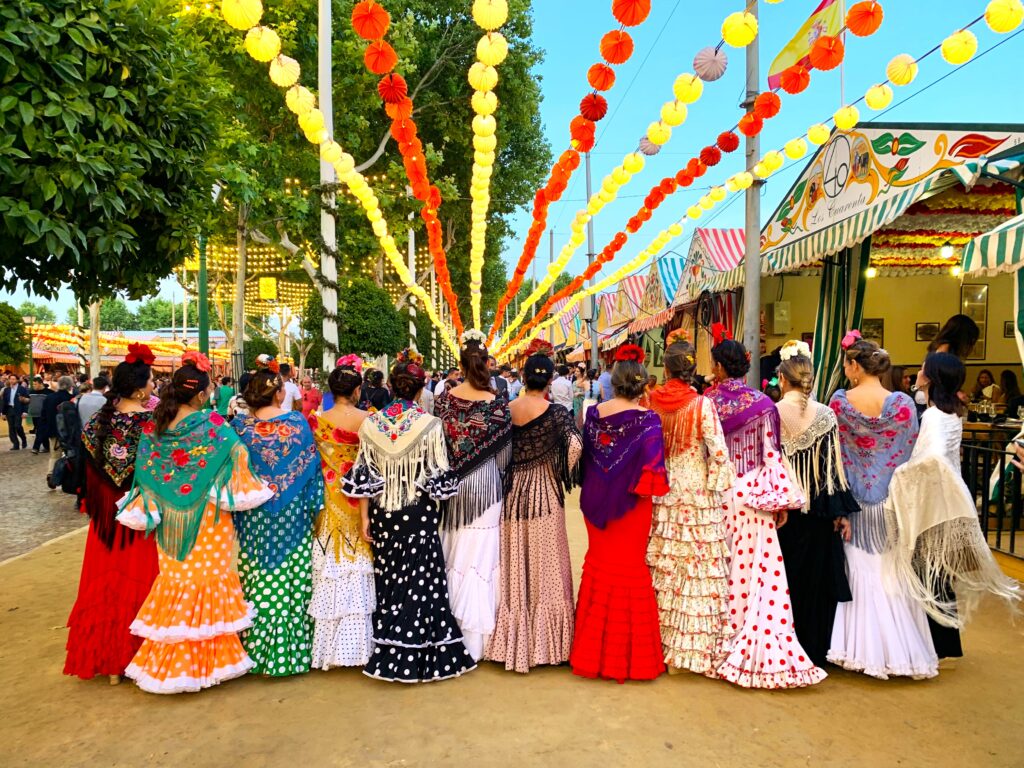
The Seville April Fair (Feria de Abril) is one of Spain’s grandest and most dazzling festivals, celebrated with colorful tents (“casetas”), flamenco dresses, horse parades, and lively sevillanas dancing until dawn.
Why it’s colorful:
Women and girls dress in vibrant flamenco gowns, men in traditional suits, and the fairground glitters with lanterns, flower decorations, and endless rows of colorful casetas.
Where to experience it:
The festival fairground, called Real de la Feria, on the banks of the Guadalquivir River in Seville.
When:
Starts two weeks after Easter (“Semana Santa”); in 2025, from May 4th to 10th.
Tips for visitors:
- Most casetas are private, but there are public ones for visitors—don’t be shy, join the dancing!
- The opening night (“alumbrao”) is spectacular, with the lighting of the main gate and fireworks.
Nearby:
Visit Seville’s historic center—Cathedral, Alcázar, and Barrio Santa Cruz—between festival days.
3. Holi Festival of Colours (Multiple Cities)
Spain’s Own Explosion of Colorful Powder
What is it?
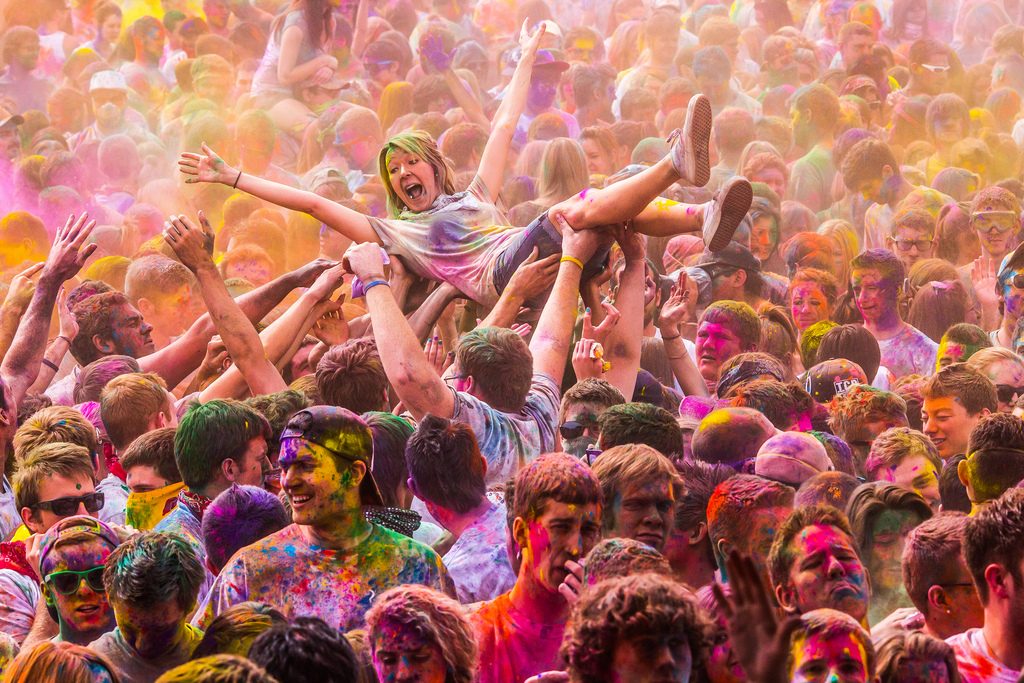
Inspired by India’s traditional Holi, Spain hosts its own Holi Festival of Colours events—lively open-air parties where crowds dance and throw bright colored powder, turning everyone into a walking rainbow.
Why it’s colorful:
Within minutes, the air and crowds are filled with vibrant clouds of pink, yellow, green, and blue powder, creating magical, photogenic scenes.
Where to experience it:
Holi festivals take place in several Spanish cities, usually in spring and summer. The largest are in Madrid, Barcelona, and Valencia, often in parks or festival grounds.
When:
Dates vary, but many events coincide with the Indian Holi in March, or are scheduled for summer weekends.
Tips for visitors:
- Wear white for maximum color impact (and to keep as a souvenir!).
- Check official event pages for ticket info and exact locations.
- Bring a bandana or mask if you have sensitive skin or allergies.
Nearby:
Make a weekend of it—visit the hosting city’s main attractions, then party at Holi!
4. Las Fallas (Valencia)
Fire, Figures, and Fireworks
What is it?
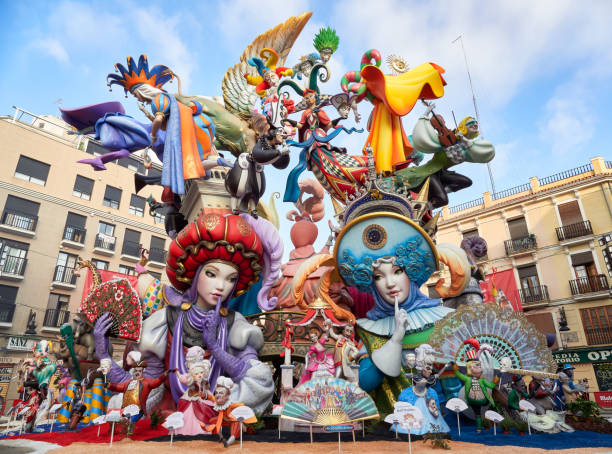
Las Fallas is Valencia’s most iconic festival, combining massive papier-mâché sculptures (“fallas”), pyrotechnics, music, and citywide parties. Each neighborhood creates elaborate monuments, many satirical or artistic, which are paraded, displayed, and ultimately set on fire!
Why it’s colorful:
The streets burst with the colors of the giant fallas figures, traditional Valencian costumes, nightly fireworks, and thousands of vibrant lights.
Where to experience it:
All over Valencia, but especially in the city center—Plaza del Ayuntamiento and surrounding neighborhoods.
When:
March 15th–19th, 2025 (with events beginning as early as March 1st).
Tips for visitors:
- Book accommodation early—Valencia fills up fast during Fallas.
- Don’t miss the “Mascletà” (daily fireworks at 2pm) and the grand “La Cremà” when all sculptures are burned.
Nearby:
Explore the Turia Gardens, Mercado Central, and Valencia’s beaches.
5. Carnival (Santa Cruz de Tenerife, Canary Islands)
Europe’s Wildest Winter Carnival
What is it?
Santa Cruz’s Carnival is the second largest in the world after Rio de Janeiro. Expect parades, elaborate costumes, drag queen galas, live music, and nonstop street parties.
Why it’s colorful:
Parade floats, sparkling costumes, feathers, sequins, and confetti turn the city into a vibrant fantasyland for two weeks.
Where to experience it:
Santa Cruz de Tenerife, especially along Avenida de Anaga and Plaza de España.
When:
In 2025, February 28th to March 9th, with the main parade on March 4th.
Tips for visitors:
- Join the “coso” parade or the night street parties—costumes are encouraged!
- Watch the crowning of the Carnival Queen for the most extravagant outfits.
Nearby:
Relax on the golden sands of Playa de las Teresitas or hike in Anaga Rural Park.
6. Corpus Christi (Toledo & Granada)
Flowers, Carpets, and Historic Processions
What is it?
Corpus Christi is a major religious festival celebrated with ancient processions, floral decorations, and street carpets made of petals and herbs.
Why it’s colorful:
Historic streets are blanketed with vibrant flower petals, tapestries, and banners. The spectacle is especially striking in medieval settings.
Where to experience it:
Toledo (Castile-La Mancha) and Granada (Andalusia) hold the most spectacular Corpus Christi celebrations, with week-long events and grand processions.
When:
June 19th, 2025 (dates vary each year).
Tips for visitors:
- Arrive early on procession day for the best views.
- Explore the cities’ old quarters decorated for the festival.
Nearby:
In Toledo, visit the Alcázar and Cathedral. In Granada, wander the Albaicín and enjoy views of the Alhambra.
How to Make the Most of Spain’s Colorful Festivals
1. Book Early:
Accommodation fills up quickly—plan months ahead for major festivals.
2. Pack Accordingly:
Old clothes for La Tomatina, white for Holi, flamenco dress or bright colors for Feria de Abril.
3. Join the Locals:
Don’t be afraid to participate—locals welcome visitors into the fun!
4. Respect Traditions:
Some festivals have deep religious meaning. Be respectful, especially during processions.
5. Capture the Memories:
Bring a waterproof camera or phone case—these festivals are a photographer’s dream.
Ready to Experience Spain in Full Color?
Spain’s festivals are more than just parties—they’re expressions of history, culture, and pure joy. Whether you crave the madness of La Tomatina, the beauty of flower carpets, or the high energy of Carnival and Holi, there’s a festival waiting for you.
Find the best hotel deals near Spain’s top festivals at Spain Hotel Offers—and start planning your most colorful adventure yet!
Which Spanish festival would you most like to experience? Share your festival dreams or memories in the comments!