
7 Incredible Hiking Routes in Spain for Adventure Lovers
Spain is a land of contrasts—a country where soaring mountains meet deep canyons, lush forests merge with arid plains, and the Atlantic and Mediterranean coasts offer ever-changing views. For hiking enthusiasts, Spain is a paradise. Whether you’re an experienced trekker or a weekend wanderer, you’ll find trails for every skill level, from the snow-capped Pyrenees to the volcanic landscapes of the Canary Islands.
In this guide, discover seven of the most incredible hiking routes in Spain, each promising unforgettable scenery, culture, and pure adventure. Lace up your boots—let’s hit the trails!
1. Camino de Santiago (The French Way) – Northern Spain
What is it?
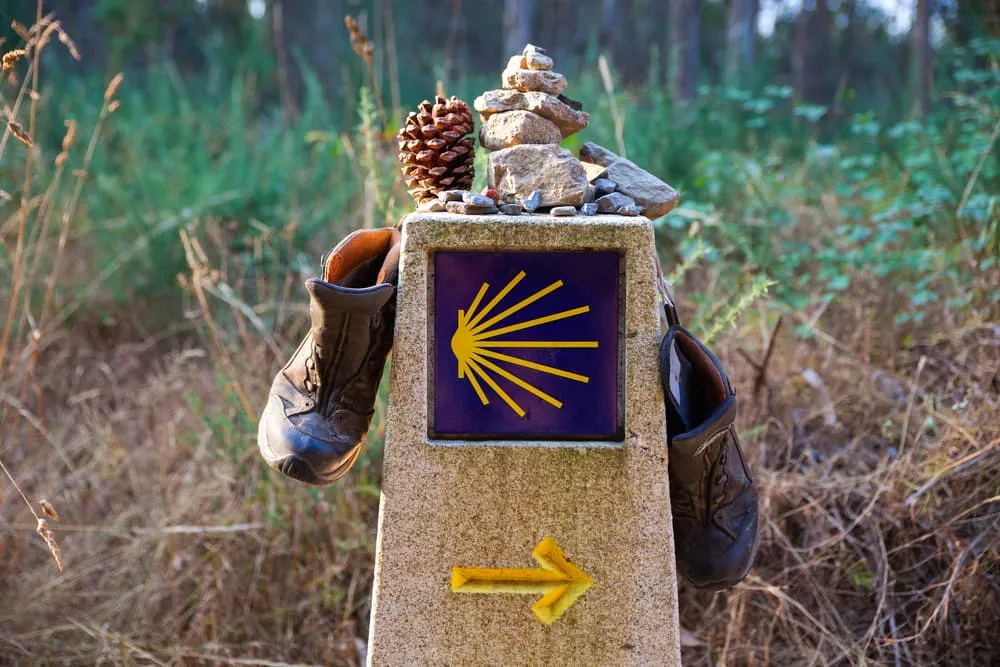
The legendary Camino de Santiago, also known as the Way of St. James, is Europe’s most famous pilgrimage route. The “French Way” (Camino Francés) starts in Saint-Jean-Pied-de-Port, France, and stretches over 800 km across northern Spain to Santiago de Compostela in Galicia.
Why hike it?
The Camino is more than a trek—it’s a cultural, spiritual, and social experience. Walkers pass through medieval villages, rolling vineyards, mountain passes, and historic cities, meeting fellow “peregrinos” (pilgrims) from around the world.
Where & how to start:
Start in Saint-Jean-Pied-de-Port, or any point along the route (Pamplona, Burgos, León).
Reachable by bus/train from Madrid, Pamplona, or Barcelona.
Distance & difficulty:
Over 800 km (500 miles); moderate to challenging, but you can walk just a section.
Best time to go:
April–June and September–October for mild weather and fewer crowds.
Traveler’s tip:
Plan your stages and book hostels (“albergues”) ahead in high season.
Nearby highlight:
Visit León or Burgos to explore Gothic cathedrals and try local tapas.
2. Ruta del Cares – Picos de Europa (Asturias & León)
What is it?
Often called “the Divine Gorge,” the Ruta del Cares is a spectacular trail carved into the limestone cliffs of the Picos de Europa National Park. It follows the Cares River between the villages of Caín (León) and Poncebos (Asturias).
Why hike it?
Steep cliffs, dramatic canyons, turquoise waters, and soaring vultures make this route a photographer’s dream. It’s considered one of Spain’s most beautiful hikes.
Where & how to start:
Begin at either Caín (León) or Poncebos (Asturias).
Reachable by car; limited public transport, especially off-season.
Distance & difficulty:
12 km (7.5 miles) one way; moderate, with narrow paths and tunnels.
Best time to go:
May–October, avoiding rainy or snowy periods.
Traveler’s tip:
Go early to avoid crowds, bring a flashlight for tunnels, and carry plenty of water—there’s little shade.
Nearby highlight:
Combine with a visit to Covadonga Lakes or the charming village of Cangas de Onís.
3. GR-11 (Trans-Pyrenean Trail) – The Pyrenees
What is it?
The GR-11 is a legendary long-distance trail traversing the entire Spanish Pyrenees, from the Atlantic (Cape Higuer) to the Mediterranean (Cap de Creus).
Why hike it?
Wild, remote, and challenging, the GR-11 takes you through some of Europe’s most dramatic landscapes: alpine meadows, glacial valleys, high passes, and serene lakes.
Where & how to start:
Start at Cape Higuer (Basque Country) or Cap de Creus (Catalonia).
Reachable by car or public transport to main trail towns.
Distance & difficulty:
840 km (520 miles); strenuous—only recommended for experienced hikers, but many do shorter sections.
Best time to go:
Late June–September for snow-free passes.
Traveler’s tip:
Be prepared for sudden weather changes; mountain huts (“refugios”) are available along the route.
Nearby highlight:
Detour to Ordesa y Monte Perdido National Park for epic canyons and waterfalls.
4. Caminito del Rey – Málaga, Andalusia
What is it?
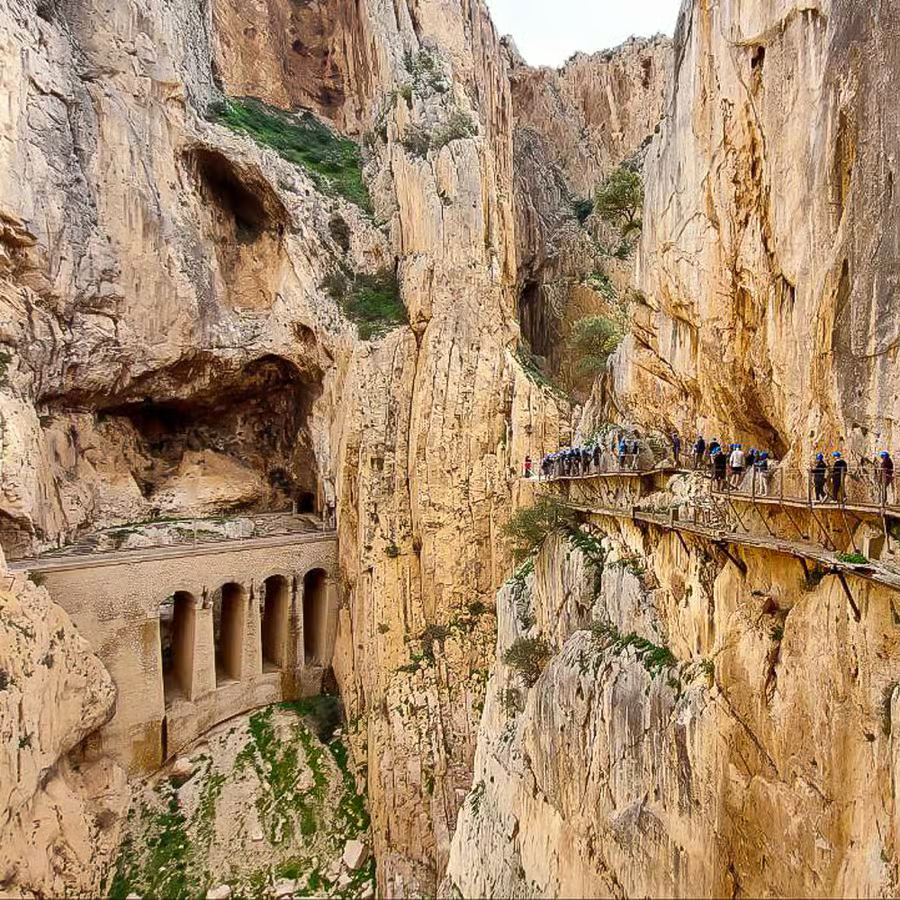
Once dubbed the “world’s most dangerous walkway,” the Caminito del Rey is now a safe and thrilling cliff-side path pinned high above the Guadalhorce River Gorge near Málaga.
Why hike it?
Breathtaking views, sheer cliffs, glass walkways, and a sense of adventure! The walkway, originally built for hydroelectric workers, now offers an exhilarating and accessible experience for all.
Where & how to start:
El Chorro, near Ardales (40 min from Málaga by car/train).
Distance & difficulty:
7.7 km (4.8 miles) linear; easy to moderate, but not for those with vertigo.
Best time to go:
Year-round, but spring and fall are most comfortable.
Traveler’s tip:
Tickets must be reserved in advance at the official website.
Nearby highlight:
Enjoy a swim or kayak at the turquoise lakes of Ardales nearby.
5. Teide National Park Trails – Tenerife, Canary Islands
What is it?
Mount Teide, Spain’s highest peak (3,718 m), dominates this volcanic national park, a UNESCO World Heritage Site. Multiple trails wind through surreal lava fields, pine forests, and up to the summit.
Why hike it?
Stunning volcanic landscapes, otherworldly rock formations, rare flora, and the opportunity to watch the sunrise above a sea of clouds.
Where & how to start:
Access from various points around the park; the main visitor center is at El Portillo (reachable by car or bus from Santa Cruz de Tenerife).
Distance & difficulty:
Many options—from short loops to the summit hike (8.3 km from base of cable car, with a 1,200 m climb).
Summit requires a free permit (book in advance).
Best time to go:
March–June and September–November for mild weather.
Traveler’s tip:
Take the cable car for the upper section if you’re short on time or energy. Pack warm clothes—temperatures drop fast at altitude.
Nearby highlight:
Visit the Teide Observatory or stargaze—Teide is one of the best places in Europe for astronomy.
6. Cami de Ronda (Costa Brava Coastal Path) – Catalonia
What is it?
The Cami de Ronda is a scenic coastal trail running along the Costa Brava, originally used by fishermen and customs officers to patrol the rugged coastline.
Why hike it?
Crystal-clear coves, pine forests, dramatic cliffs, charming seaside towns, and endless Mediterranean views.
Where & how to start:
Most popular sections run between S’Agaró and Calella de Palafrugell.
Access via regional buses or car from Girona or Barcelona.
Distance & difficulty:
Variable—walk a few kilometers or do multi-day treks. Moderate, with some steep sections.
Best time to go:
April–June and September–October for good weather and fewer crowds.
Traveler’s tip:
Take swimwear—a dip in a hidden cove is the perfect reward!
Nearby highlight:
Explore the fishing villages of Tamariu or Llafranc and enjoy fresh seafood.
7. Ruta de los Cahorros – Sierra Nevada (Granada, Andalusia)
What is it?
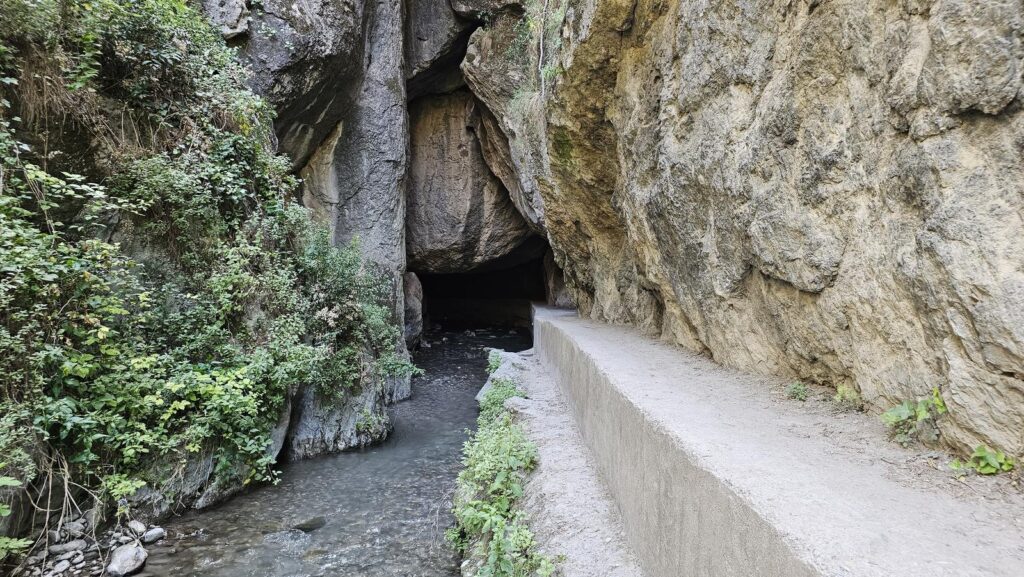
A thrilling gorge hike near the village of Monachil, just outside Granada, featuring hanging bridges, waterfalls, and dramatic rock formations in the Sierra Nevada foothills.
Why hike it?
Narrow canyons, lush riverbanks, suspension bridges, and refreshing pools make this a true adventure—ideal for families and thrill-seekers.
Where & how to start:
Start in Monachil village (15 min by car/bus from Granada city).
Distance & difficulty:
8 km (5 miles) loop; easy to moderate, some scrambling required.
Best time to go:
Spring and fall for best water levels and mild weather.
Traveler’s tip:
Arrive early, especially on weekends—parking is limited. Wear shoes that can get wet.
Nearby highlight:
After your hike, enjoy tapas in a riverside bar in Monachil or visit Granada’s historic Albaicín neighborhood.
Essential Tips for Hiking in Spain
- Check the Weather: Mountain weather changes quickly—always check forecasts and carry sun protection, water, and layers.
- Book in Advance: For Caminito del Rey and Teide summit permits, book early.
- Respect Nature: Leave no trace—carry out your trash, and respect wildlife and plants.
- Stay Hydrated: Many routes have little shade, especially in summer.
- Learn Basic Spanish Phrases: In rural areas, English is less common.
- Travel Insurance: Make sure your insurance covers hiking and outdoor activities.
Final Thoughts
From epic mountain crossings to spectacular coastlines, Spain’s hiking routes offer every adventure lover the trip of a lifetime. Whether you want to walk ancient pilgrimage paths, climb volcanic peaks, or explore hidden gorges, these seven trails will take you through the heart of Spain’s natural beauty and culture.
Ready for your Spanish hiking adventure?
Find the best hotel deals for each trail at Spain Hotel Offers and start planning your trek today!
Which Spanish hiking route is on your bucket list? Share your hiking dreams or tips in the comments!