
Using Public Transportation in Spain: A Beginner’s Guide for Travelers
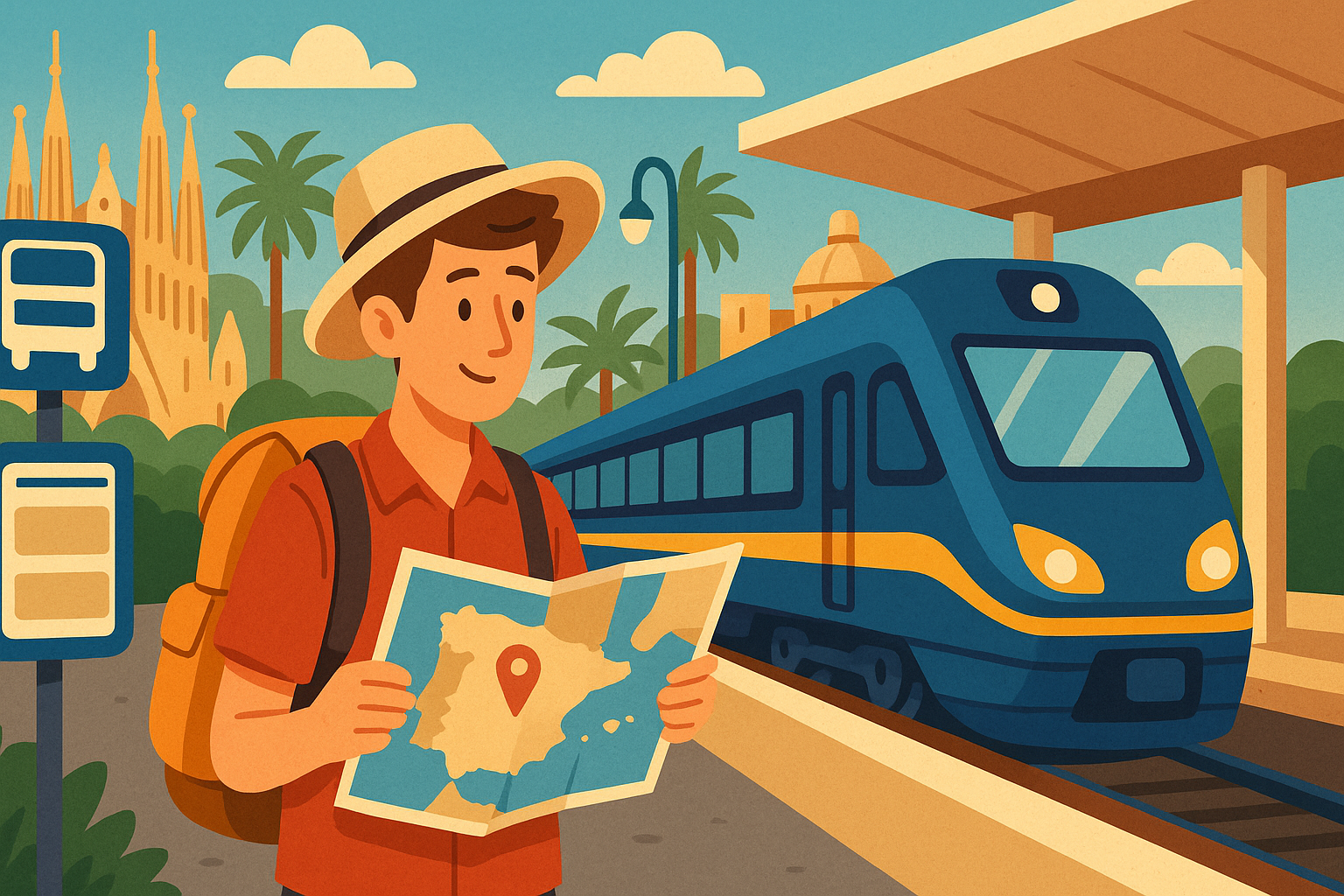
Traveling through Spain is an adventure full of historic cities, breathtaking landscapes, and vibrant local life. But to truly experience all that Spain has to offer, you’ll want to master the country’s excellent public transportation system. Whether you’re planning to visit world-class museums in Madrid, stroll Barcelona’s Ramblas, or explore hidden villages in Andalusia, public transit is your ticket to an authentic, hassle-free journey.
This guide breaks down everything first-time visitors need to know about using public transportation in Spain—from trains and metros to buses, trams, and even ferries. Ready to travel like a local? Let’s get started!
1. Why Use Public Transportation in Spain?
Spain’s public transportation is affordable, efficient, and connects almost every corner of the country. Here’s why it’s a smart choice for travelers:
- Saves money: Taxis and rental cars are costly. Trains and buses are budget-friendly, especially when booked in advance.
- Reduces stress: No need to navigate unfamiliar roads or deal with parking.
- Eco-friendly: Lower your travel carbon footprint.
- Cultural immersion: Ride alongside locals and see real Spanish life.
2. Spain’s National Train System: RENFE
The backbone of Spain’s public transport is its national railway network, RENFE.
RENFE offers several types of train services:
a) AVE (Alta Velocidad Española)
- Spain’s high-speed trains
- Connects major cities: Madrid, Barcelona, Seville, Valencia, Málaga, Zaragoza, and more.
- Speeds of up to 310 km/h (192 mph)
- Modern, comfortable, with first and second class
Best for: Fast, city-to-city travel
Booking: Tickets are cheapest when bought early at renfe.com or via apps like Omio and Trainline.
b) ALVIA, AVANT, and Media Distancia
- ALVIA: Fast, long-distance, linking cities not on AVE lines.
- AVANT: Medium-distance high-speed trains, often for commuters.
- Media Distancia: Regional trains, slower, connecting smaller towns.
c) Cercanías
- Suburban and commuter trains around big cities (Madrid, Barcelona, Valencia, Seville, Bilbao, etc.)
- Perfect for day trips to nearby towns or the airport
Tip: Cercanías usually have frequent, affordable service.
Tickets: Buy at stations, machines, or online.
3. Metro Systems: Urban Travel Made Easy
Spain’s largest cities have modern, efficient metro systems:
a) Madrid Metro
- 12 lines, covers city and suburbs
- Fast, safe, clean—second largest in Europe
- Ticket types: single, 10-trip (“Metrobús”), Tourist Travel Card (1-7 days)
- Operates 6am–1:30am
b) Barcelona Metro
- 12 lines (including L9 to the airport)
- Integrated with buses and trams
- Ticket types: single, T-Casual (10 trips), Hola Barcelona Travel Card (unlimited rides 2-5 days)
- Runs 5am–midnight (later on weekends)
c) Other Cities
- Valencia, Bilbao, Seville, Málaga, Palma de Mallorca: All have metro or light rail.
- Ticketing varies—check local transport authority.
Tip:
Buy multi-trip or day cards for big savings, especially if you plan several journeys a day.
4. Buses: Spain’s Backbone for Town-to-Town Travel
When trains don’t go where you want, Spain’s long-distance and regional buses step in.
- ALSA: The biggest national operator, with comfortable coaches and extensive routes. Book at alsa.es.
- Avanza, Socibus, Daibus: Other major operators on select routes.
- Direct connections: Small towns, airports, rural regions
Bus stations (Estación de Autobuses) are typically central and well-signposted.
Tickets: Book online, at station windows, or via vending machines.
5. Urban Buses and Trams
Every city and many towns have local buses, usually run by the local municipality:
- Madrid: EMT buses (blue)
- Barcelona: TMB buses (red and white)
- Valencia: EMT (red), plus a tram network
- Seville: TUSSAM buses (yellow and white)
How to use:
- Tickets can be bought from the driver (bring small change) or in advance (multi-trip cards at kiosks, metro stations, or tobacco shops “estancos”).
- Validate your ticket on boarding.
- Bus stops are frequent; routes and times are posted at most stops.
Tip:
Google Maps and local transport apps make it easy to plan routes and find real-time schedules.
6. Trams and Light Rail
Some cities, like Valencia, Alicante, Zaragoza, and Barcelona, have modern trams—great for short journeys and sightseeing.
Tickets are usually integrated with metro/bus cards.
7. Ferries and Boats
Spain’s extensive coastline and island regions (Balearic and Canary Islands) mean ferries are part of the transport mix.
- Balearia, Trasmediterránea, Fred. Olsen: Major companies for inter-island and mainland crossings.
- Ferries connect Barcelona, Valencia, Denia, Málaga, and Huelva with Mallorca, Menorca, Ibiza, and the Canary Islands.
- Tickets: Book online early for peak summer dates.
8. Buying Tickets: Tips for Travelers
- Trains: Buy AVE and long-distance tickets as early as possible for best prices—fares rise as the date approaches.
- Buses: Advance booking recommended for long distances or holidays; local buses usually pay on board.
- Metro/Urban buses: Buy single tickets, multi-trip cards, or travel cards for savings. Most machines offer English and take cards.
Important:
Always validate your ticket—inspectors check and fines can be steep.
9. Airport Transfers: Getting Into the City
Most major airports in Spain have quick, affordable public transport links:
- Madrid-Barajas: Metro line 8, Cercanías train, and express bus
- Barcelona-El Prat: Metro L9 Sud, Aerobus (Plaza Catalunya), and Renfe train (Terminal 2)
- Malaga-Costa del Sol: Cercanías train and buses
- Valencia: Metro lines 3 and 5
Taxis are convenient but more expensive—always use official taxi stands.
10. Tips for Using Public Transport in Spain
- Mind the schedules: Not all lines run late at night—check last train/bus times.
- Keep an eye on your belongings: Pickpocketing can happen in crowded metros/buses. Use bags that close securely.
- Validate your ticket: Even with travel cards, always validate before each journey.
- Download local apps: EMT Madrid, TMB Barcelona, Moovit, and Google Maps are traveler favorites.
- Language: Announcements are usually in Spanish and often in English in big cities, but not always in rural areas. Knowing basic Spanish helps.
11. Accessibility and Traveler Considerations
- Most modern metros and intercity trains are wheelchair accessible.
- Stations often have elevators, though some older buildings may be less adapted.
- Look for signs: “ascensor” (elevator), “salida” (exit), and “taquilla” (ticket office).
12. Regional Tips: Getting Off the Beaten Track
- Rural Spain: Public transport is less frequent in remote areas—plan ahead, check timetables, and consider renting a car if exploring small villages or natural parks.
- The Islands: In the Canary and Balearic Islands, local bus networks are good, but schedules are less frequent than on the mainland.
13. Costs: How Much Will You Spend?
- Madrid/Barcelona Metro: €1.50–€2.50 per single trip; travel cards are cheaper for multiple rides.
- Intercity train: Madrid–Barcelona by AVE can be €30–€120 depending on booking time.
- Long-distance buses: Often cheaper than trains (e.g., Madrid–Seville from €15).
- Ferries: €30–€70+ per person (island routes).
Children, students, and seniors often get discounts—ask at stations.
14. Etiquette and What to Expect
- Queuing is respected—wait your turn and let passengers exit before boarding.
- Keep noise down on public transport, especially on early or late journeys.
- No eating or drinking on metros and most urban buses.
- Respect priority seating for seniors, pregnant women, or people with disabilities.
Final Thoughts
Public transportation in Spain is your gateway to adventure, whether you’re hopping between cities or discovering hidden gems off the beaten path. It’s safe, easy to use, and often faster than driving—so why not travel like a local?
Ready to explore Spain with confidence?
Find the best hotel deals near train stations and metro stops at Spain Hotel Offers, and get ready for a journey that’s as smooth as it is memorable!
Have you used public transportation in Spain? Share your tips or stories in the comments below!