
10 Things Every First-Time Visitor Should Know Before Traveling to Spain
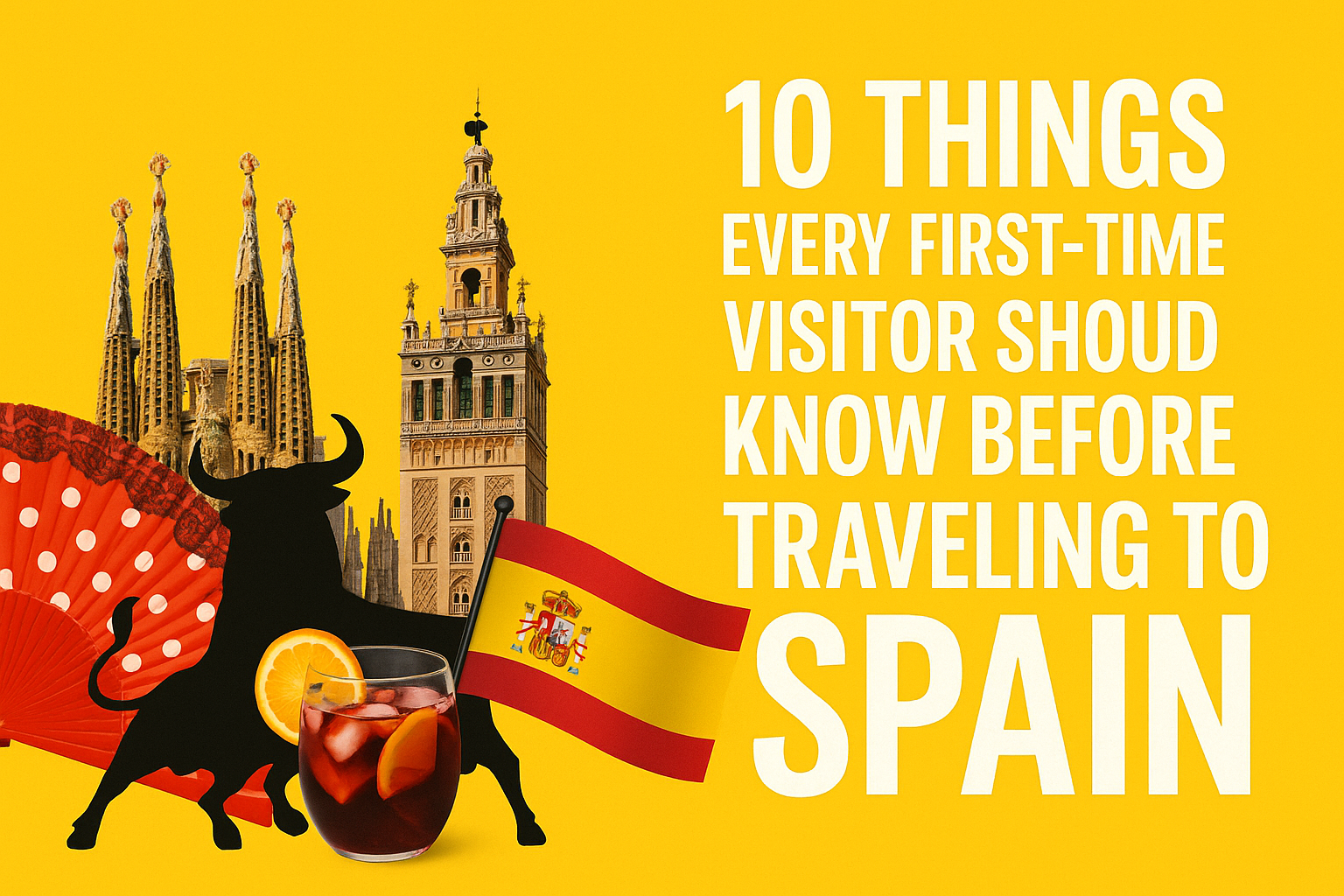
Spain is a dream destination for travelers seeking history, sun-soaked beaches, vibrant cities, and a legendary food scene. From the architecture of Barcelona and Madrid’s world-class museums to the white villages of Andalusia and the green hills of the north, Spain offers endless variety and adventure.
If you’re planning your first trip, a bit of insider knowledge will help you avoid common mistakes, fit in like a local, and make the most of your Spanish adventure. Here are the 10 most important things every first-time visitor should know before traveling to Spain.
1. Spain Is Bigger and More Diverse Than You Think
Many visitors picture Spain as all sun and sangria, but the country is vast and regionally diverse. Each region has its own culture, food, language, and traditions. For example, the rainy green hills of Galicia feel completely different from the sunny streets of Seville, and the Basque Country’s pintxos are nothing like Valencia’s paella.
Tip:
- Don’t try to see it all in one trip. Focus on one or two regions for a richer experience.
- Research regional festivals, foods, and customs—there’s much more to Spain than Madrid and Barcelona!
2. Mealtimes and Daily Rhythm Are Different
Spaniards eat and live on a different schedule than many visitors are used to:
- Breakfast is light (coffee and a pastry).
- Lunch (the main meal) is between 2:00–4:00 pm.
- Dinner is usually 9:00–11:00 pm.
- Many shops and restaurants close in the afternoon for “siesta,” especially in smaller towns.
Tip:
- Adjust your eating times to avoid empty restaurants and crowded tourist spots.
- Try the “menú del día” at lunchtime for the best value meal.
3. Public Transportation Is Excellent
Getting around Spain is easy with its extensive train, bus, and metro networks:
- AVE high-speed trains connect major cities quickly and comfortably.
- Local “cercanías” trains and buses reach towns and rural areas.
- Metros and trams make city travel a breeze.
Tip:
- Book train tickets in advance for the best deals (renfe.com).
- Use travel cards or multi-trip tickets on metros and city buses for savings.
4. English Isn’t Spoken Everywhere
While staff at major hotels and attractions usually speak English, in many shops, restaurants, and rural areas you may find little or no English spoken.
Tip:
- Learn a few basic Spanish phrases (“hola,” “gracias,” “la cuenta, por favor”).
- Use translation apps (like Google Translate) and be patient—locals appreciate your effort.
5. Don’t Leave Your Belongings Unattended
Spain is generally safe, but petty theft and pickpocketing can happen in tourist hotspots—especially in cities like Barcelona, Madrid, and Seville.
Tip:
- Always keep your bag, phone, and valuables with you.
- Don’t leave laptops or bags unattended in cafés (even for a bathroom break), as you might in Switzerland or Scandinavia.
- Use cross-body bags and keep them closed in crowded places.
6. Cash Is Handy—But Cards Are Widely Accepted
Spain has widely adopted contactless payments, but cash (euros) is still useful for small purchases, markets, or rural areas.
Tip:
- Always have some cash, especially coins, for small shops, cafes, or tips.
- ATMs (“cajeros automáticos”) are everywhere—watch for withdrawal fees.
- Major credit cards are accepted at most restaurants, shops, and hotels.
7. Tapas Are a Lifestyle
Tapas aren’t just food—they’re a social ritual. In some regions (Granada, Almería, León), you’ll get a free tapa with every drink. Elsewhere, tapas are ordered from a menu and meant to be shared.
Tip:
- Go “tapeando”—try several bars for different tapas.
- Don’t expect full meals; combine a few tapas for a great dinner.
- Stand at the bar if you want a more local, authentic experience.
8. Festivals and Holidays Are a Big Deal
Spain’s calendar is packed with local fiestas, religious processions, and public holidays. These are some of the best times to visit for a true taste of Spanish culture—but be aware they can impact travel plans.
Tip:
- Check if your trip coincides with a major festival—book hotels early and expect crowds.
- Some attractions or shops may close for holidays.
- Don’t miss: La Tomatina (Buñol), Feria de Abril (Seville), Las Fallas (Valencia), San Fermín (Pamplona).
9. Tipping Isn’t Mandatory (But Always Appreciated)
Tipping in Spain is not as expected as in the US or UK. Service charges are included in most bills.
Tip:
- Leave small change (coins) or round up the bill at restaurants.
- For excellent service, a tip of 5-10% is appreciated.
- Tipping is common for taxi drivers and hotel staff, but not obligatory.
10. Sunday Closures and Siesta: Plan Ahead
Many shops, especially in smaller towns, close on Sundays and during afternoon “siesta” hours (usually 2–5 pm).
Tip:
- Use Sunday for sightseeing, markets, or museums, and shop in advance.
- In big cities, large shopping malls and some tourist shops stay open, but check ahead.
Bonus Tips for First-Time Visitors
a) Dress Like a Local
Spaniards tend to dress smart-casual, especially in cities. You don’t need to dress up, but avoid beachwear in towns and churches.
b) Water Is Safe to Drink
Tap water is safe almost everywhere. Ask for “agua del grifo” in restaurants to avoid bottled water charges.
c) Mind Your Volume
Spaniards are friendly but polite in public—keep your voice down, especially in restaurants and public transport.
d) Don’t Overplan
Part of Spain’s charm is the relaxed, spontaneous lifestyle. Leave time for wandering, people-watching in plazas, and enjoying a long lunch.
Final Thoughts
Spain is a country that welcomes travelers with open arms, delicious food, rich traditions, and stunning scenery. By understanding a bit about local life and customs before you arrive, you’ll avoid common pitfalls, blend in more easily, and make the most of every moment.
Planning your trip?
Find the best hotel deals in Spain at Spain Hotel Offers and start your adventure with confidence!
What surprised you most about your first trip to Spain? Share your questions or tips in the comments below!