
What to Pack for a Trip to Spain: The Ultimate Packing List by Season
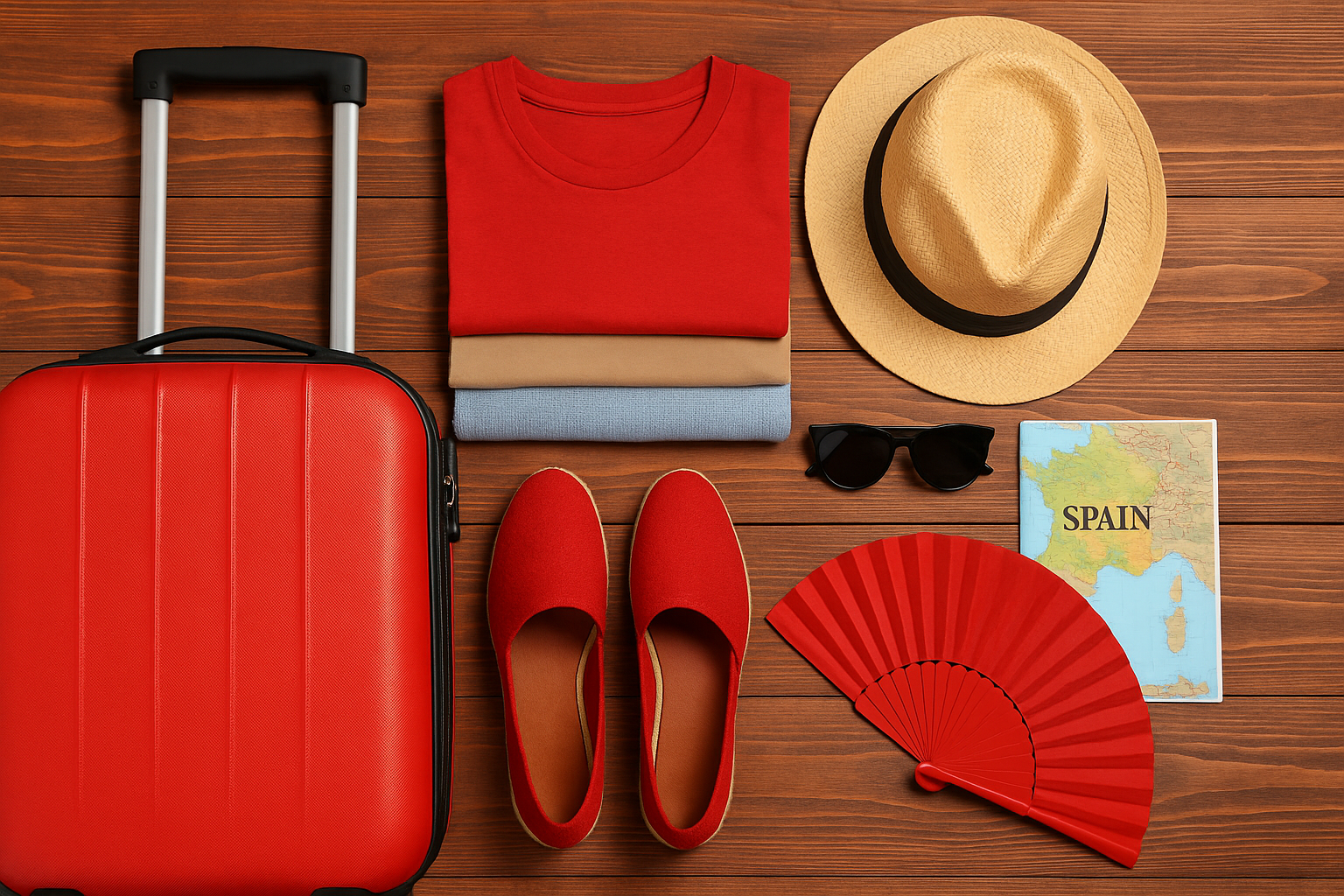
Planning a trip to Spain? One of the keys to a smooth and enjoyable journey is packing the right clothes and essentials. But Spain is a country of incredible diversity—from the green, rainy hills of Galicia to the year-round sunshine of the Canary Islands, and the snowy mountains of the Pyrenees to the Mediterranean beaches. The weather and vibe can vary dramatically depending on where—and when—you travel.
This detailed guide will help you know what to pack for a trip to Spain in any season and for every region, so you’re always comfortable, prepared, and ready to make the most of your Spanish adventure.
Understanding Spain’s Regional Climate: Why It Matters
Spain isn’t just beaches and sun! Before you start packing, it’s important to know that Spain has several distinct climate zones:
- Northern Spain (Galicia, Asturias, Basque Country, Cantabria): Known for lush green landscapes and a cooler, wetter climate. Expect rain year-round, especially in Galicia.
- Central Spain (Madrid, Castile, Extremadura): Hot, dry summers and cold winters, with big temperature swings between day and night.
- Southern Spain (Andalusia, Murcia): Mediterranean climate with very hot, dry summers and mild winters.
- Eastern Spain (Valencia, Catalonia, Balearic Islands): Warm summers, mild winters, with some humidity along the coast.
- Canary Islands: “The land of eternal spring”—pleasant temperatures year-round, but higher elevations (like Teide in Tenerife) can be much cooler.
Tip:
Always check the forecast for your specific destination before your trip!
Now, let’s break down what to pack for Spain—season by season.
What to Pack for Spain in Spring (March–May)
Weather Overview:
Spring is one of the best times to visit Spain. Days get longer, flowers bloom, and temperatures are mild—though rain is still common in the north.
Clothing:
- Light layers (t-shirts, blouses, long-sleeve shirts)
- A lightweight sweater or cardigan
- Medium-weight jacket (waterproof for the north)
- Jeans or comfortable pants
- A skirt or dress (for warm afternoons)
- Comfortable walking shoes (water-resistant for Galicia or the Basque Country)
- Light scarf (for cool mornings and evenings)
Essentials:
- Compact umbrella or rain jacket (especially for northern Spain)
- Sunglasses and sunscreen (the sun can already be strong)
- Daypack for sightseeing and carrying layers
- Travel adapter for European plugs
Regional Tip:
If you’re heading to Galicia, Asturias, or Cantabria, expect unpredictable rain—always pack waterproofs.
For the south (Seville, Granada), spring brings famous festivals like Semana Santa and Feria de Abril, so you may want dressier clothes for special events.
What to Pack for Spain in Summer (June–August)
Weather Overview:
Spanish summers are hot—sometimes extremely hot, especially in Andalusia and central Spain. The Mediterranean coast and islands are warm and lively. The north is milder, but even there, you’ll find pleasant beach weather.
Clothing:
- Lightweight t-shirts, tank tops, and shorts
- Breathable dresses or skirts
- Swimsuits and beachwear
- Flip-flops or sandals
- Sunhat or cap
- Light pajamas (nights can be hot, especially in southern cities)
- Light shawl or scarf (for entering churches or protection from the sun)
Essentials:
- High-SPF sunscreen and after-sun lotion
- Sunglasses
- Reusable water bottle
- Insect repellent (for evenings, especially in coastal or rural areas)
- Travel fan or mini hand fan (for hot days in cities)
- Small backpack or beach bag
Regional Tip:
- Andalusia & Madrid: Expect daytime highs above 35°C (95°F). Siesta culture is real—plan to rest or explore indoors in the afternoon.
- Northern Spain: Pack a light sweater or jacket for cool evenings or a sudden shower, but enjoy the fresh Atlantic breeze!
- Canary Islands: Summer is warm but rarely scorching. Still, bring swimwear and a light jacket for higher altitudes like Mount Teide.
What to Pack for Spain in Autumn (September–November)
Weather Overview:
Fall is a fantastic time to visit Spain—temperatures drop, crowds thin out, and colors change. The north becomes rainier, while the south and islands remain warm.
Clothing:
- Mix of short- and long-sleeve shirts
- Layering pieces: cardigans, light sweaters
- Medium-weight jacket (waterproof if visiting the north)
- Jeans, pants, or longer skirts
- Comfortable walking shoes or sneakers
- Scarf or pashmina
Essentials:
- Umbrella or packable rain jacket
- Daypack for layers and rain gear
- Sunscreen (yes, even in autumn!)
- Travel-size laundry detergent (in case you get wet)
Regional Tip:
- In Galicia, rain can start as early as September. Pack waterproof shoes and a raincoat.
- In southern and eastern Spain, September and October still feel like summer—pack a swimsuit just in case!
What to Pack for Spain in Winter (December–February)
Weather Overview:
Winter in Spain varies dramatically. In central and northern Spain, it can be cold (even snowy in the mountains). The south remains mild, and the Canary Islands offer real warmth.
Clothing:
- Warm coat or jacket (insulated for Madrid, mountains, or the north)
- Sweaters or fleeces
- Long pants, thermal leggings (for chilly areas)
- Gloves, beanie, and scarf (for colder zones)
- Waterproof boots or sturdy shoes
- Umbrella or raincoat (especially for northern Spain)
Essentials:
- Layering is key: indoor heating varies, and it can feel chilly indoors in older buildings
- Sunglasses (the winter sun is bright, especially in the south and islands)
- Swimsuit (if heading to the Canary Islands or using hotel spas)
- Travel-size moisturizer and lip balm (cold winds and dry air)
Regional Tip:
- Galicia & the north: Expect rain and cold, pack plenty of warm layers and waterproof gear.
- Andalusia: It can be surprisingly cold at night—pack a warm layer even for sunny cities like Seville or Cordoba.
- Canary Islands: Pack as you would for spring or early summer—light clothes, a sweater for the evenings, and hiking shoes if you plan to explore volcanoes or forests.
Extras to Pack for Spain Year-Round
Tech & Travel Gear:
- Universal travel adapter (Spain uses type C & F plugs, 230V)
- Smartphone with Google Maps or offline maps
- Power bank
- E-reader or book for trains and downtime
- Reusable shopping bag (many supermarkets charge for bags)
Health & Safety:
- Basic first-aid kit (band-aids, painkillers, etc.)
- Copy of passport and travel insurance info
- Prescription medications with original packaging
- Hand sanitizer and face mask (some public spaces may still require them)
Other Must-Haves:
- Phrasebook or translation app (especially useful in rural areas)
- Small lock for hostel lockers or shared spaces
- Snacks (nuts, granola bars, etc.), especially for long travel days
Special Packing Tips by Activity & Region
- Hiking the Camino de Santiago or mountain trails: Waterproof hiking boots, quick-dry socks, hat, blister kit, poncho, and lightweight layers.
- Visiting churches and cathedrals: Bring a scarf or shawl to cover shoulders.
- Traveling during festivals: Colorful clothes for Feria, old clothes for La Tomatina, or white outfits for Holi festivals.
- Canary Islands/Beaches: Don’t forget water shoes for volcanic beaches or rocky coves, and extra sunscreen.
Final Advice: Prepare for Variety!
Spain’s beauty lies in its variety—no two regions or seasons are exactly the same. From the rainy, mystical coastlines of Galicia to the sun-kissed squares of Seville, from snowy Pyrenean peaks to the volcanic trails of Tenerife, the secret to smart packing is preparing for the unexpected and layering for changing conditions.
Check the weather forecast for each stop a week before you go, pack light but smart, and always leave a little room in your suitcase for souvenirs.
Ready to explore Spain in any season?
For the best hotel deals across every Spanish region, visit Spain Hotel Offers and get ready for your perfect trip—whatever the weather!
Have a Spain packing tip? Share it in the comments!